Used Cooking Oil Recycling
in San Jose
SAN JOSE LEADING GREASE TRAP & PUMPING Experts
At San Jose Grease Trap Cleaning, we provide reliable solutions for restaurants, commercial kitchens, and food service businesses throughout the Bay Area. Our expert team specializes in grease trap cleaning, grease trap pumping, and routine maintenance to keep your kitchen safe, sanitary, and fully compliant with San Jose city and California health regulations.
We use advanced equipment and eco-friendly disposal methods to remove fats, oils, and grease (FOG) efficiently, helping you prevent backups, foul odors, and costly plumbing issues. Whether you need emergency grease trap pumping or a scheduled maintenance plan, our local San Jose technicians deliver fast, professional service you can depend on.
We use advanced equipment and eco-friendly disposal methods to remove fats, oils, and grease (FOG) efficiently, helping you prevent backups, foul odors, and costly plumbing issues. Whether you need emergency grease trap pumping or a scheduled maintenance plan, our local San Jose technicians deliver fast, professional service you can depend on.
REVIEWS
What our Customers have to say
EXCELLENT Based on 24 reviews
 Posted on Google
 Thomas GleasonThis company is amazing! They provided a transparent and reasonable quote upfront, which was a pleasant surprise. The quality of their work was worth the cost, and I felt like I got great value for my money. I will definitely be using their service again.Posted on Google
 zanen venturaSan Jose Grease Trap Cleaning team was quick and professional. They thoroughly cleaned the grease trap and their customer service was excellent. They were also responsive and helpful whenever I had any questions. I highly recommend their grease trap cleaning service to others in need.Posted on Google
 Jamie KA great grease trap cleaning company provides professional and efficient service. They always show up on time and work around our schedule to minimize disruption to our business. The technicians are knowledgeable and take the time to clean up after themselves, making sure there is no mess left behind. Highly recommended for their quality service.Posted on Google
 Greg MooreWe use this company to service our grease trap. They are dependable, and we have had great experiences with them over the years. They are easy to work with.Posted on Google
 Jessica Michelle DurouzeauxGood company to work with. They help us keep our grease traps clean and working properly by pumping them out every three months. They are easy to work with and provide excellent service.Posted on Google
 prestige WhitfieldGreat service the pricing is very reasonable and they were able to schedule a service the same week we called. The technicians were professional and efficient, they finish the job and just 15 minutes and even clean the floor before they left. We will definitely continue to use them for all our grease trap cleaning needs.Posted on Google
 Pete DavisSan Jose Grease Trap Cleaning has done a great job for us twice now. They have a professional team who is very fast and knows what they're doing. Compared to other companies we've used, San Jose Grease Trap Cleaning is the best. We give them a perfect A+ rating and highly recommend them for any tough job. Thank you for being the best!Posted on Google
 kayla lemorinWe have been using San Jose Grease Trap Cleaning for a long time. They are very professional, easy to schedule appointments with, good at communicating, and have fair prices. If you need help with cleaning the grease traps at your restaurant, give them a call. You will be happy with their services.Posted on Google
 Brittanee SlackI highly recommend San Jose Grease Trap Cleaning for their grease trap waste removal services. The drivers are great and the crew is very polite.
QUALITY AND EXPERTISE
Get Scheduled For A FREE Quote In Minutes Not Hours!
We Will Challenge Any Licensed Competitor’s Written Price.
- GREASE TRAP SERVICES IN SAN JOSE
- GREASE TRAP PUMPING & CLEANING
- GREASE INTERCEPTOR SERVICES IN SAN JOSE
- RESTAURANTS, SCHOOLS, KITCHENS, CAFETERIAS
- COMMERCIAL, INDUSTRIAL, MANUFACTURING
- ALL SIZES & ANY LOCATION
- FREE SAME DAY ESTIMATES
- FAST, RELIABLE & AFFORDABLE RATES
- CITY OF SAN JOSE PERMITTED TRANSPORTER
SEND US A MESSAGE
GET A GUARANTEED CALL BACK TODAY
Protect Your Business With
Professional Maintenance
Professional Used Cooking Oil Recycling for San Jose Restaurants
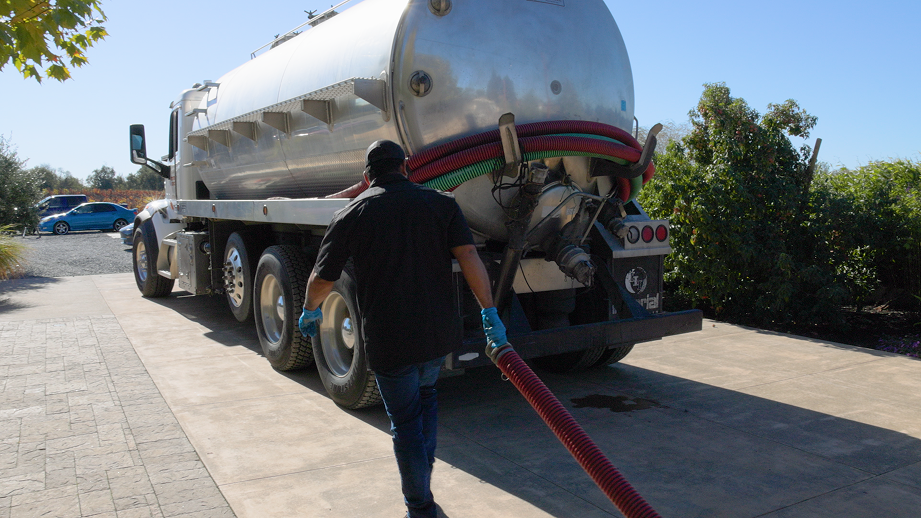
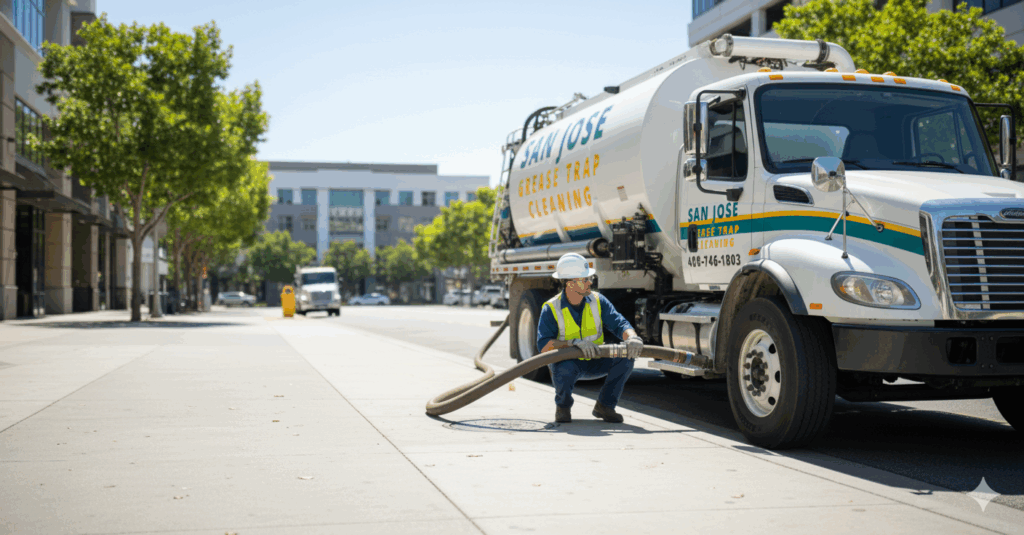
San Jose commercial kitchens produce significant quantities of used cooking oil that requires proper handling, storage, and disposal. San Jose Grease Trap Cleaning provides professional used cooking oil recycling services that transform waste fryer oil into valuable renewable resources while helping your business meet environmental regulations and maintain a clean, safe kitchen.
Our cooking oil recycling program offers convenient scheduled pickups, proper storage containers, and complete documentation that proves your San Jose restaurant disposes of waste oil responsibly. We handle all aspects of the process, from collection to final recycling, so you can focus on running your business.
Why Recycle Used Cooking Oil
Used cooking oil contains valuable energy that can be converted into biodiesel fuel, animal feed supplements, and industrial products. By recycling rather than disposing of waste oil down drains, San Jose restaurants protect the environment, prevent sewer system damage, and contribute to the renewable energy economy.
Convenient Collection Services
We provide appropriately sized oil storage containers that fit your kitchen space and production volume. Our trained technicians handle all collection tasks safely and cleanly, with flexible scheduling that works around your business hours and never disrupts kitchen operations.
Our Used Cooking Oil Recycling Process
San Jose Grease Trap Cleaning follows systematic procedures for used cooking oil collection and recycling throughout San Jose and Santa Clara County:
- Storage Container Provision – We provide clean, sealed containers sized for your oil production volume, with secure lids that prevent spills and odors.
- Scheduled Collection Service – Our technicians arrive at agreed-upon times to pump out used oil from your storage containers using specialized equipment.
- Safe Transportation – Collected oil is transported in properly licensed vehicles to certified recycling facilities that meet all environmental standards.
- Quality Processing – Recycling partners filter and process used cooking oil to remove food particles and water before conversion into biodiesel or other products.
- Documentation and Records – We provide complete service records and recycling certificates that verify proper disposal for regulatory compliance.
Licensed and Insured Service
Our used cooking oil recycling services are fully licensed by San Jose and California environmental agencies. We carry complete insurance coverage and follow all regulations governing waste oil transportation and recycling.
Benefits of Professional Cooking Oil Recycling for San Jose Businesses
San Jose restaurants that partner with professional used cooking oil recycling services experience multiple advantages:
Environmental Protection
Recycling used cooking oil prevents pollution of San Jose’s water systems, reduces landfill waste, and converts waste into renewable energy products. Each gallon of recycled cooking oil can produce biodiesel fuel that reduces fossil fuel consumption.
Regulatory Compliance
San Jose and California regulations prohibit disposing of fats, oils, and grease into sewer systems. Professional recycling services ensure your business complies with all FOG disposal requirements and avoids costly violations.
Revenue Opportunity
Many recycling programs pay restaurants for their used cooking oil based on volume and oil quality. This transforms a waste disposal cost into a potential revenue stream for your San Jose business.
Kitchen Safety
Proper storage and regular removal of used cooking oil reduces slip hazards, fire risks, and pest attraction in your kitchen. Professional collection services maintain clean, safe working conditions.
Space Management
We provide appropriately sized storage containers that maximize space efficiency while handling your oil volume. Regular scheduled pickups prevent overflow situations and storage problems.
Brand Reputation
Demonstrating environmental responsibility through oil recycling enhances your restaurant’s reputation with eco-conscious San Jose customers who value sustainable business practices.
Understanding the Cooking Oil Recycling Industry
Used cooking oil recycling represents a growing sector of the renewable energy economy, converting waste products from food service operations into valuable biofuels and industrial materials.
Biodiesel Production
The primary use for recycled cooking oil is biodiesel fuel production. After filtering and chemical processing, used fryer oil becomes a clean-burning diesel substitute that reduces greenhouse gas emissions by up to 86% compared to petroleum diesel.
Alternative Products
Beyond biodiesel, recycled cooking oil serves as feedstock for:
- Animal Feed Additives – Processed oil provides energy-rich supplements for livestock feed
- Industrial Lubricants – Vegetable-based oils work as biodegradable lubricants for machinery
- Soap and Cosmetics – Glycerin extracted during processing creates soap and beauty products
- Ink and Paint – Oil derivatives serve as components in printing inks and coatings
Market Value
Used cooking oil commodity prices fluctuate based on crude oil markets, biodiesel demand, and agricultural conditions. High-quality filtered oil commands premium prices, while contaminated oil has reduced value.
Collection Economics
San Jose restaurants with high fryer oil usage may receive payment for their used oil, while lower-volume establishments typically receive free collection services in exchange for the oil’s value covering collection costs.
Proper Used Cooking Oil Storage and Handling
Safe storage and handling of used cooking oil protects your San Jose restaurant from accidents, environmental violations, and health code problems while maintaining oil quality for recycling.
Storage Container Requirements
Professional oil storage containers should be:
- Leak-Proof – Sealed construction prevents spills and environmental contamination
- Properly Sized – Adequate capacity to hold oil between scheduled pickups
- Clearly Labeled – Marked to identify contents and prevent confusion with fresh oil
- Secure – Locking mechanisms prevent unauthorized access or theft
- Ventilated – Proper venting prevents pressure buildup while containing odors
Storage Location Considerations
Position oil storage containers in locations that provide:
- Easy access for kitchen staff disposing of used oil
- Clear path for collection service trucks and equipment
- Protection from weather exposure that could damage containers
- Distance from building openings to prevent odor issues
- Level surface to prevent tipping or rolling
Safe Oil Transfer Methods
When transferring hot oil from fryers to storage containers:
- Allow oil to cool to safe handling temperature (below 150°F)
- Use proper funnels or pumps to prevent spills
- Avoid overfilling containers that could overflow when oil expands
- Keep fire suppression equipment nearby during transfer
- Train all staff on proper oil handling procedures
Cooking Oil Quality and Recycling Value
The quality of used cooking oil affects its recycling value and the prices paid to restaurants. San Jose establishments can maximize oil value through proper handling and filtration practices.
Factors Affecting Oil Quality
- Food Particle Content – Heavily contaminated oil requires more processing and has lower value
- Water Contamination – Moisture reduces oil quality and processing efficiency
- Chemical Additives – Cleaning chemicals or other contaminants reduce recycling value
- Solid Waste Mix – Non-oil materials mixed into storage containers decrease value
- Storage Conditions – Properly stored oil maintains better quality than exposed containers
Maintaining Oil Value
San Jose restaurants can improve used oil quality by:
- Filtering oil regularly during use to remove food particles
- Allowing oil to cool and settle before transfer to storage
- Using proper funnels and strainers during disposal
- Keeping storage containers sealed and clean
- Avoiding mixing oil with water, chemicals, or solid waste
- Scheduling regular pickups before oil degrades
Oil Testing and Grading
Collection services may test oil quality at pickup to determine payment rates or recycling suitability. Factors assessed include color, viscosity, free fatty acid content, and contamination levels.
Regulations Governing Used Cooking Oil Disposal in San Jose
San Jose restaurants must comply with multiple regulatory requirements governing the handling, storage, and disposal of used cooking oil to protect public health and the environment.
San Jose FOG Ordinances
The City of San Jose prohibits discharge of fats, oils, and grease into the municipal sewer system. Restaurants must:
- Install and maintain properly sized grease traps or interceptors
- Contract with licensed haulers for used cooking oil removal
- Maintain records of all oil disposal activities
- Allow city inspectors access to oil storage areas
- Implement best management practices for FOG control
California Environmental Regulations
State regulations classify used cooking oil as a regulated waste requiring:
- Transportation by licensed hazardous waste haulers
- Delivery to permitted recycling or disposal facilities
- Proper manifesting and tracking documentation
- Compliance with storage and containment requirements
- Annual reporting for high-volume generators
Health Department Requirements
San Jose health inspectors verify proper oil disposal during restaurant inspections. Violations can result in:
- Written warnings and required corrections
- Monetary fines for repeated violations
- Temporary operating permit suspension
- Required staff training on proper procedures
Liability Protection
Professional recycling services provide documentation proving proper disposal, protecting San Jose restaurants from liability if collected oil is later mishandled by others in the recycling chain.
Collection Frequency and Service Scheduling
Determining the right used cooking oil collection frequency ensures your San Jose restaurant maintains adequate storage capacity while optimizing service costs and maintaining kitchen cleanliness.
Factors Influencing Collection Frequency
- Daily Fryer Usage – High-volume operations require more frequent pickups
- Storage Container Capacity – Smaller containers need more regular service
- Menu Composition – Fried food restaurants produce more used oil
- Seasonal Variations – Business volume changes affect oil production
- Kitchen Space – Limited storage areas may require smaller containers and more frequent service
Typical Service Schedules
Most San Jose restaurants benefit from:
- Weekly Service – High-volume restaurants, fast food establishments, fried chicken restaurants
- Bi-Weekly Service – Medium-volume full-service restaurants, cafeterias
- Monthly Service – Lower-volume establishments, bakeries, light frying operations
- On-Demand Service – Seasonal businesses or facilities with irregular oil usage
Flexible Scheduling Options
We accommodate your business needs with:
- Regular scheduled pickups at consistent intervals
- Increased frequency during busy seasons
- Reduced service during slower periods
- Emergency pickups when containers reach capacity
- After-hours service to avoid disrupting operations
Maintain Your Commercial Kitchen Standards
Common Used Cooking Oil Recycling Mistakes
San Jose restaurants sometimes make errors in oil handling that create problems, reduce recycling value, or violate regulations. Avoiding these common mistakes ensures smooth, compliant operations.
Pouring Oil Down Drains
Never dispose of cooking oil through sinks or floor drains. Even small amounts accumulate in pipes, causing blockages, sewer backups, and environmental violations. Oil that enters sewer systems damages municipal infrastructure and treatment plants.
Mixing Oil with Other Waste
Contaminating used oil with water, cleaning chemicals, solid waste, or other materials reduces recycling value and may make oil unrecyclable. Keep oil storage containers dedicated solely to used cooking oil.
Improper Container Maintenance
Failing to clean storage containers, allowing water infiltration, or using damaged containers creates sanitary problems and reduces oil quality. Regular container inspection and maintenance prevents these issues.
Contaminating used oil with water, cleaning chemicals, solid waste, or other materials reduces recycling value and may make oil unrecyclable. Keep oil storage containers dedicated solely to used cooking oil.
Inadequate Record Keeping
San Jose regulations require documentation of oil disposal activities. Maintaining complete service records protects your business during health inspections and demonstrates environmental compliance.
Using Unlicensed Collectors
Working with unlicensed oil collectors exposes your San Jose restaurant to liability if oil is improperly disposed. Always verify proper licensing and insurance coverage.
Oil Theft Prevention and Security
Used cooking oil theft has become a growing problem as rising commodity prices make waste oil valuable. San Jose restaurants should implement security measures to protect their oil assets.
Why Oil Theft Occurs
Thieves target used cooking oil storage containers to resell stolen oil to recyclers or biodiesel producers. This crime causes:
- Lost revenue for restaurants expecting payment for their oil
- Contract violations with legitimate recycling services
- Potential contamination if thieves damage storage containers
- Liability issues if stolen oil is improperly disposed
Theft Prevention Strategies
Protect your used oil with:
- Locked Storage Containers – Secure containers with quality padlocks or locking mechanisms
- Well-Lit Storage Areas – Lighting discourages theft and enables surveillance
- Security Cameras – Video monitoring deters criminals and provides evidence
- Fenced Enclosures – Barriers restrict access to storage container areas
- Regular Monitoring – Staff awareness of oil levels and container security
- Immediate Spill Reporting – Quick response to unusual oil levels or container damage
Working with Licensed Collectors
Legitimate recycling services help prevent theft through:
- Scheduled pickups that minimize oil accumulation
- Properly secured collection equipment
- Documentation proving authorized collection
- Partnership in monitoring for theft indicators
Financial Benefits of Cooking Oil Recycling Programs
San Jose restaurants can realize financial advantages through professional used cooking oil recycling beyond simple waste disposal cost avoidance.
Payment Programs
Many recycling services pay restaurants for used cooking oil based on:
- Volume Collected – Payment per gallon of oil
- Oil Quality – Premium rates for clean, filtered oil
- Collection Frequency – Pricing tiers based on pickup schedule
- Market Conditions – Rates fluctuate with biodiesel commodity prices
Cost Savings
Beyond direct payment, recycling programs provide savings through:
- Eliminated waste disposal fees for oil
- Reduced drain cleaning needs from proper FOG disposal
- Avoided regulatory fines for improper disposal
- Prevented plumbing repairs from oil-clogged pipes
- Lower liability insurance premiums through proper waste handling
Maximizing Financial Return
San Jose restaurants can optimize recycling revenue by:
- Maintaining high oil quality through proper handling
- Accumulating sufficient volume to justify payment programs
- Negotiating contracts with multiple recycling services
- Tracking market rates to ensure competitive pricing
- Documenting oil quantities to verify payment accuracy
Environmental Impact of Cooking Oil Recycling
Proper recycling of used cooking oil delivers significant environmental benefits that extend beyond your San Jose restaurant to impact regional and global sustainability.
Water Quality Protection
Recycling prevents cooking oil from entering San Jose’s water systems where it would:
- Clog sewer pipes and wastewater treatment equipment
- Contaminate surface water and harm aquatic life
- Disrupt treatment plant biological processes
- Require expensive cleanup and infrastructure repair
Renewable Energy Production
Biodiesel produced from recycled cooking oil:
- Reduces dependence on petroleum diesel
- Lowers greenhouse gas emissions up to 86%
- Decreases air pollutants like particulates and carbon monoxide
- Provides domestic renewable fuel source
- Supports local green economy development
Waste Reduction
Recycling diverts used oil from landfills where it would:
- Contaminate soil and groundwater
- Occupy valuable landfill space
- Create disposal costs for municipalities
- Waste valuable energy content
Circular Economy Support
Oil recycling exemplifies circular economy principles by transforming restaurant waste into useful products, reducing virgin resource extraction, and closing material loops.
Cooking Oil Recycling for Different San Jose Food Service Operations
Various types of food service establishments produce different used oil volumes and require tailored recycling solutions to match their specific operational needs.
Full-Service Restaurants
Traditional restaurants with varied menus typically produce moderate oil volumes requiring bi-weekly or monthly collection service with medium-sized storage containers.
Fast Food Establishments
High-volume quick-service restaurants with heavy fryer usage need large storage capacity and weekly or more frequent collection schedules to handle substantial oil production.
Food Trucks and Mobile Vendors
Mobile food operations require portable oil storage solutions with flexible pickup arrangements that accommodate changing locations and irregular schedules.
Institutional Kitchens
Schools, hospitals, and corporate cafeterias benefit from predictable collection schedules aligned with meal service patterns and consistent oil production rates.
Affordable & Reputable Grease Trap Services
Frequently Asked Questions
How does used cooking oil recycling work in San Jose?
Used cooking oil recycling in San Jose involves collecting waste fryer oil from restaurants and commercial kitchens and transporting it to licensed recycling facilities. The oil is filtered, cleaned, and processed into renewable products like biodiesel and industrial materials. Professional services ensure safe handling, proper documentation, and full environmental compliance.
Is it illegal to pour used cooking oil down drains in San Jose?
Yes, pouring used cooking oil down drains is illegal in San Jose and throughout Santa Clara County. Fats, oils, and grease (FOG) can clog sewer systems, cause overflows, and damage public infrastructure. Restaurants are required to use licensed used cooking oil recycling services to properly dispose of waste oil.
How often should restaurants schedule used cooking oil pickup in San Jose?
Most San Jose restaurants schedule used cooking oil pickup weekly, bi-weekly, or monthly depending on kitchen volume. High-volume kitchens usually require more frequent service to prevent overflow and safety risks. A professional recycling provider can recommend the best pickup schedule based on your oil output.
Do San Jose restaurants get paid for used cooking oil?
Many San Jose restaurants can receive payment for used cooking oil depending on oil quality and volume. Clean, uncontaminated oil typically has higher market value and may generate revenue. Lower-volume businesses often receive free collection instead of direct payment.
What happens to recycled cooking oil after collection?
After collection, used cooking oil is transported to certified recycling facilities. It is filtered and processed into biodiesel fuel, animal feed supplements, industrial lubricants, and other eco-friendly products. This process helps reduce landfill waste and fossil fuel dependence.
What type of storage container is needed for used cooking oil?
Restaurants in San Jose should use sealed, leak-proof, labeled storage containers designed specifically for waste oil. These containers help prevent spills, odors, and contamination. Professional recycling companies provide properly sized containers as part of their service.
Is used cooking oil considered hazardous waste in California?
In California, used cooking oil is regulated and must be handled and transported by licensed waste haulers. It cannot be dumped, burned, or disposed of with regular trash. Using a licensed San Jose oil recycling service ensures compliance with all state and local environmental regulations.
How can restaurants prevent theft of used cooking oil in San Jose?
Used cooking oil theft is a common issue because of its resale value. Restaurants can prevent theft by using lockable, fenced, or secured storage containers. Professional recycling companies also provide secure container options and scheduled pickups to reduce risk.
What are the environmental benefits of cooking oil recycling in San Jose?
Recycling used cooking oil reduces water pollution, protects sewer systems, and lowers landfill waste. It also helps produce renewable biodiesel fuel that significantly cuts greenhouse gas emissions. San Jose businesses that recycle oil contribute to a more sustainable local and global environment.
How do I schedule used cooking oil recycling service in San Jose?
You can schedule used cooking oil recycling in San Jose by submitting a request through the online form or calling the service provider directly. Most companies provide free estimates and pick up scheduling within 24 hours. A representative will help determine container size, pickup frequency, and service options for your business.