Grease Trap Pumping
in San Jose
Professional Grease Trap Pumping Services in San Jose, CA
Fast and reliable pumping services for commercial grease traps serving restaurants and food service businesses
San Jose Grease Trap Cleaning provides professional grease trap pumping services for restaurants, cafes, and commercial kitchens throughout San Jose and the Bay Area. Our vacuum truck services efficiently remove accumulated fats, oils, and grease to restore trap capacity and prevent operational problems.
REVIEWS
What our Customers have to say
EXCELLENT Based on 24 reviews
 Posted on Google
 Thomas GleasonThis company is amazing! They provided a transparent and reasonable quote upfront, which was a pleasant surprise. The quality of their work was worth the cost, and I felt like I got great value for my money. I will definitely be using their service again.Posted on Google
 zanen venturaSan Jose Grease Trap Cleaning team was quick and professional. They thoroughly cleaned the grease trap and their customer service was excellent. They were also responsive and helpful whenever I had any questions. I highly recommend their grease trap cleaning service to others in need.Posted on Google
 Jamie KA great grease trap cleaning company provides professional and efficient service. They always show up on time and work around our schedule to minimize disruption to our business. The technicians are knowledgeable and take the time to clean up after themselves, making sure there is no mess left behind. Highly recommended for their quality service.Posted on Google
 Greg MooreWe use this company to service our grease trap. They are dependable, and we have had great experiences with them over the years. They are easy to work with.Posted on Google
 Jessica Michelle DurouzeauxGood company to work with. They help us keep our grease traps clean and working properly by pumping them out every three months. They are easy to work with and provide excellent service.Posted on Google
 prestige WhitfieldGreat service the pricing is very reasonable and they were able to schedule a service the same week we called. The technicians were professional and efficient, they finish the job and just 15 minutes and even clean the floor before they left. We will definitely continue to use them for all our grease trap cleaning needs.Posted on Google
 Pete DavisSan Jose Grease Trap Cleaning has done a great job for us twice now. They have a professional team who is very fast and knows what they're doing. Compared to other companies we've used, San Jose Grease Trap Cleaning is the best. We give them a perfect A+ rating and highly recommend them for any tough job. Thank you for being the best!Posted on Google
 kayla lemorinWe have been using San Jose Grease Trap Cleaning for a long time. They are very professional, easy to schedule appointments with, good at communicating, and have fair prices. If you need help with cleaning the grease traps at your restaurant, give them a call. You will be happy with their services.Posted on Google
 Brittanee SlackI highly recommend San Jose Grease Trap Cleaning for their grease trap waste removal services. The drivers are great and the crew is very polite.
QUALITY AND EXPERTISE
Get Scheduled For A FREE Quote In Minutes Not Hours!
We Will Challenge Any Licensed Competitor’s Written Price.
- GREASE TRAP SERVICES IN SAN JOSE
- GREASE TRAP PUMPING & CLEANING
- GREASE INTERCEPTOR SERVICES IN SAN JOSE
- RESTAURANTS, SCHOOLS, KITCHENS, CAFETERIAS
- COMMERCIAL, INDUSTRIAL, MANUFACTURING
- ALL SIZES & ANY LOCATION
- FREE SAME DAY ESTIMATES
- FAST, RELIABLE & AFFORDABLE RATES
- CITY OF SAN JOSE PERMITTED TRANSPORTER
SEND US A MESSAGE
GET A GUARANTEED CALL BACK TODAY
Protect Your Business With
Professional Maintenance
Reliable Grease Trap Pumping for San Jose Food Service Businesses
Commercial grease traps require regular pumping to remove accumulated waste and maintain proper function. Pumping services extract liquids, floating grease, and settled solids that build up from daily kitchen operations, restoring trap capacity and preventing backups.
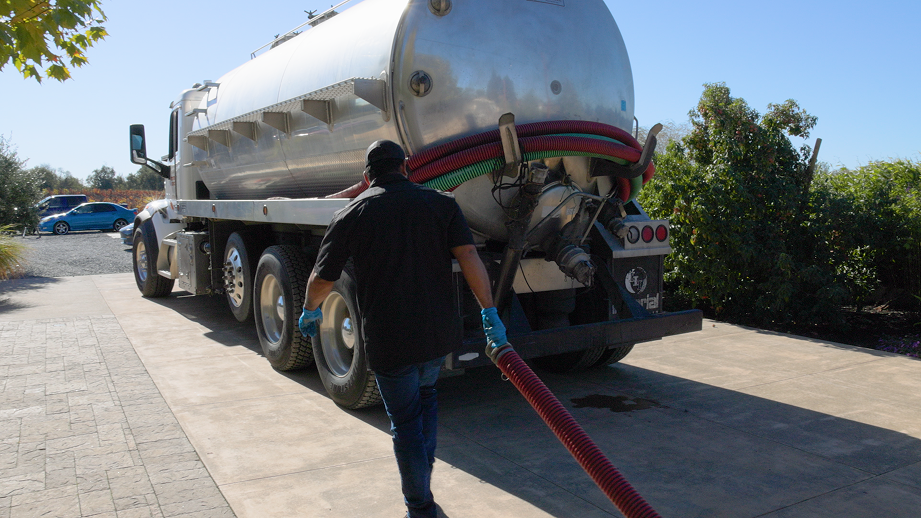
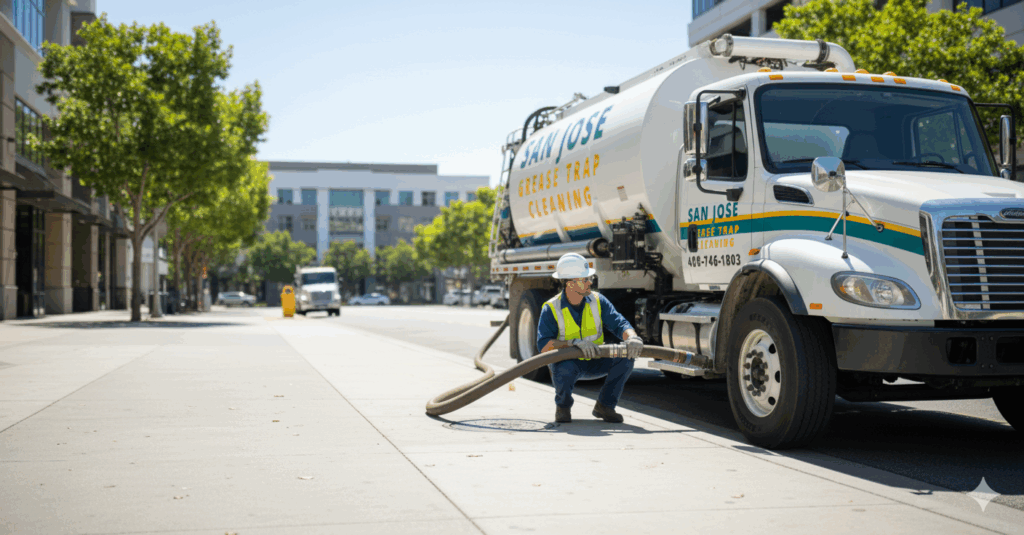
San Jose Grease Trap Cleaning operates vacuum trucks equipped for efficient grease trap pumping throughout the Bay Area. Our technicians pump out trap contents quickly and cleanly, minimizing disruption to your business while ensuring complete waste removal and proper disposal.
Efficient Pumping Operations
Our vacuum equipment handles all grease trap sizes and configurations, from small under-sink units to large outdoor traps. We work on your schedule to minimize impact on business operations while providing thorough pumping services.
Compliance with San Jose Standards
San Jose health regulations require regular grease trap pumping by licensed haulers with proper disposal documentation. Our pumping services meet all municipal requirements and provide records that satisfy health inspector review.
Our Grease Trap Pumping Process for San Jose Establishments
San Jose Grease Trap Cleaning follows systematic pumping procedures:
- Pre-Service Assessment – Check trap location, access, and current waste levels
- Waste Level Documentation – Measure and record liquid and solid waste quantities
- Vacuum Pumping Setup – Position equipment and connect vacuum hoses to trap
- Liquid Removal – Pump out wastewater and floating grease layer
- Solids Extraction – Remove settled food particles and solid waste from trap bottom
- Final Inspection – Verify complete waste removal and proper trap drainage
- Service Documentation – Provide detailed records including waste quantities and disposal information
After completing pumping services, we replace trap covers securely and clean the surrounding area. Service documentation includes all information required for health department records and compliance verification.
Complete Waste Removal
Our technicians pump all contents from your grease trap, not just surface liquids. Complete waste removal maintains trap capacity and prevents residual buildup that accelerates re-accumulation.
Why San Jose Businesses Choose Our Grease Trap Pumping Services
San Jose Grease Trap Cleaning has provided pumping services to Bay Area food service establishments for years, building a reputation for reliable service, professional operations, and fair pricing. Our technicians arrive on schedule and complete pumping efficiently.
San Jose restaurant and kitchen managers appreciate our flexible scheduling, minimal operational disruption, and complete service documentation. We understand busy food service operations and deliver dependable pumping services when you need them.
Professional grease trap pumping services from San Jose Grease Trap Cleaning include:
- Complete trap waste removal
- All trap sizes and configurations
- Licensed vacuum truck services
- Flexible scheduling options
- Minimal operational disruption
- Complete service documentation
- Environmentally responsible disposal
- Emergency pumping availability
- Maintenance schedule planning
- City of San Jose permitted hauler
From daily pumping for high-volume kitchens to quarterly service for smaller operations, our team provides reliable pumping that keeps your grease trap functioning properly and your business compliant with San Jose regulations.
Understanding Grease Trap Pumping Requirements
What Grease Trap Pumping Involves
Grease trap pumping removes accumulated waste materials from the trap interior using vacuum equipment. The process extracts three waste layers:
- Floating Grease Layer – FOG materials that float on the water surface
- Middle Water Layer – Wastewater containing suspended particles
- Bottom Solids Layer – Food particles and debris settled on trap bottom
Complete pumping removes all three layers, restoring full trap capacity and proper separation function.
Why Regular Pumping Matters
Grease traps require regular pumping because waste accumulation:
- Reduces separation capacity and efficiency
- Causes foul odors from decomposing waste
- Creates drain slowdowns and backups
- Violates San Jose health code requirements
- Risks grease discharge to sewer systems
- Leads to expensive plumbing repairs
San Jose regulations typically require pumping when waste levels reach 25% of trap capacity. Regular pumping prevents problems and maintains compliance.
Grease Trap Pumping Frequency for San Jose Operations
Determining Pumping Schedules
Pumping frequency depends on trap size, kitchen output, and waste accumulation rates. San Jose food service establishments typically follow these schedules:
- High-Volume Restaurants – Weekly to bi-weekly pumping
- Medium-Volume Kitchens – Monthly pumping
- Moderate Operations – Quarterly pumping
- Low-Volume Establishments – Semi-annual pumping
Variables Affecting Frequency
Several factors determine optimal pumping intervals:
- Kitchen production volume and operating hours
- Menu items and cooking methods used
- Trap size relative to wastewater flow
- Food preparation and cleaning practices
- Water usage patterns and temperatures
- Historical accumulation patterns
Our technicians monitor waste accumulation during each service and recommend schedule adjustments based on actual trap performance and filling rates observed over time.
Types of Grease Traps We Pump in San Jose
Under-Sink Grease Traps
Small capacity traps (20-50 gallons) installed beneath sinks or near fixtures:
- Located inside kitchen areas
- Serve individual sinks or equipment
- Require frequent pumping
- Easy access for service
- Common in smaller establishments
In-Floor Grease Traps
Medium capacity traps (50-100 gallons) installed in kitchen floors:
- Integrated into floor drainage
- Serve multiple drains
- Require specialized access
- Moderate pumping frequency
- Common in medium restaurants
Outdoor Grease Traps
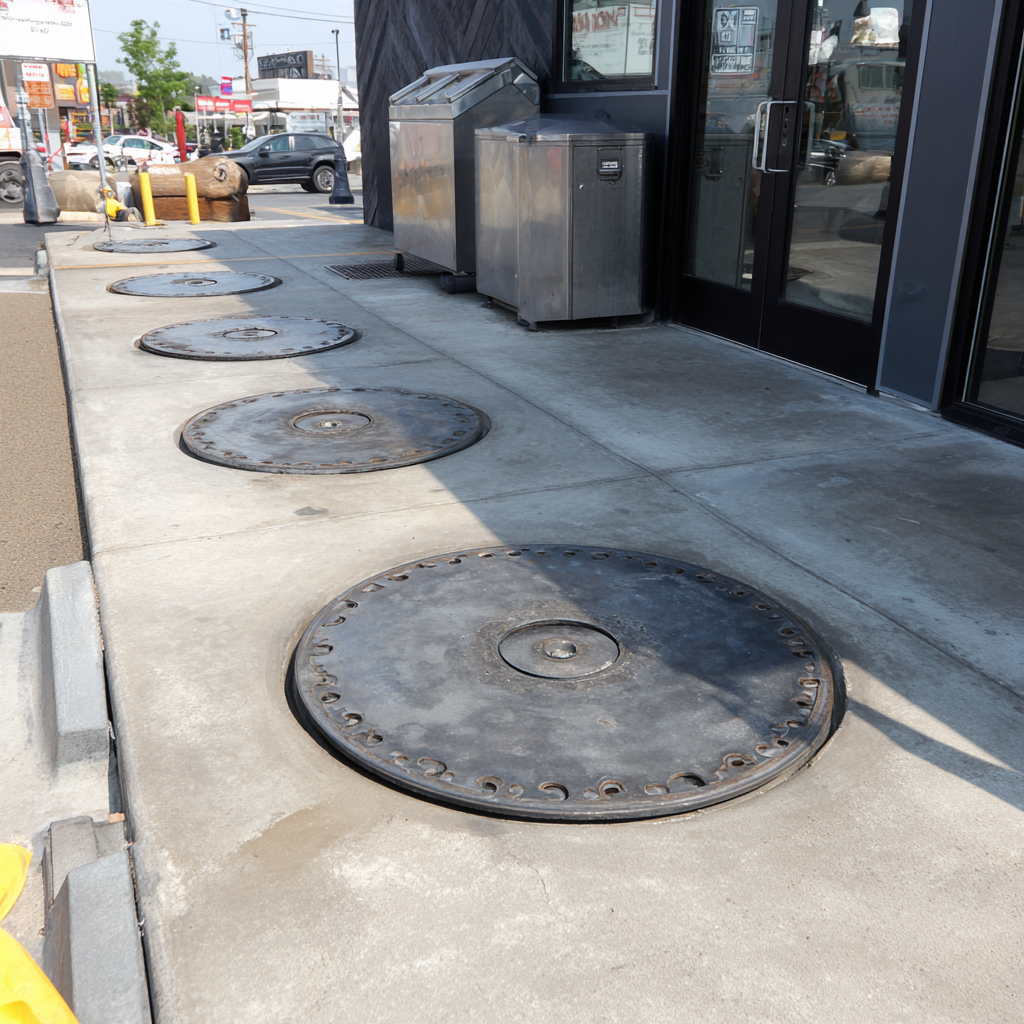
Large capacity traps (100-1,500 gallons) installed outside buildings:
- Underground installation
- Manhole access
- Serve entire kitchen drain systems
- Extended pumping intervals
- Common in high-volume operations
San Jose Grease Trap Cleaning pumps all grease trap types using appropriate equipment and procedures for each configuration.
Signs Your Grease Trap Needs Pumping
Performance Warning Signs
Watch for indicators that your grease trap requires immediate pumping:
- Slow Drainage – Kitchen sinks drain slowly or pool water
- Backup Events – Wastewater backs up into sinks or floor drains
- Strong Odors – Foul smells from drains or trap area
- Visible Grease – Grease layer visible when checking trap
- Gurgling Sounds – Unusual noises from drains during use
- Grease Appearance – Grease visible around drain openings
Scheduled Monitoring
Rather than waiting for problems, establish regular pumping based on your kitchen’s waste production. Scheduled service prevents issues and maintains consistent compliance.
Between pumping services, monitor trap condition monthly to track filling rates and adjust schedules as needed. Our technicians can demonstrate proper monitoring procedures during service visits.
Grease Trap Pumping Equipment and Methods
Vacuum Truck Technology
Professional grease trap pumping requires specialized vacuum trucks:
- Powerful Vacuum Pumps – Generate suction to extract thick grease and solids
- Large Capacity Tanks – Hold waste from multiple traps per route
- Heavy-Duty Hoses – Handle thick grease without clogging
- Secure Containment – Prevent spills during transport
- Regulatory Compliance – Meet environmental transport standards
Pumping Techniques
Our technicians use proven pumping methods:
- Insert vacuum hose to trap bottom
- Extract settled solids first
- Pump middle water layer
- Remove floating grease layer
- Verify complete waste removal
- Check trap components during process
Proper pumping technique ensures complete waste removal while avoiding damage to trap components like baffles and outlet pipes.
Waste Disposal and Environmental Compliance
Licensed Waste Hauling
San Jose Grease Trap Cleaning operates as a City of San Jose permitted waste hauler with all required licenses for FOG material collection and transport. Our vehicles meet environmental standards and undergo regular inspections.
Approved Disposal Facilities
All pumped waste receives proper disposal at licensed facilities:
- Recycling Centers – Grease conversion to biodiesel and renewable fuels
- Rendering Facilities – Processing into industrial products
- Composting Operations – Organic material recovery
- Treatment Plants – Approved facilities for non-recyclable materials
We maintain detailed manifests documenting waste quantities, transport routes, and disposal locations for every pumping service.
Environmental Protection
Responsible waste handling includes:
- Spill prevention during pumping operations
- Secure containment during transport
- Proper disposal facility selection
- Complete documentation maintenance
- Compliance with all environmental regulations
Maintain Your Commercial Kitchen Standards
San Jose Grease Trap Pumping Regulations
Municipal Requirements
San Jose health codes establish pumping requirements:
- Regular pumping by licensed haulers
- Waste level limits (typically 25% capacity)
- Service documentation requirements
- Disposal documentation mandates
- Hauler permit verification
Health Department Standards
San Jose health inspectors review pumping records during inspections:
- Service frequency and scheduling
- Licensed hauler verification
- Waste quantity documentation
- Disposal facility records
- Compliance history
Violation Consequences
Failure to maintain proper pumping schedules can result in:
- Health code violations and citations
- Monetary fines and penalties
- Required corrective actions
- Increased inspection frequency
- Potential operating restrictions
San Jose Grease Trap Cleaning provides complete documentation that demonstrates compliance and protects your business during health inspections.
Common Pumping Service Questions
How Long Does Pumping Take?
Pumping time varies by trap size and waste volume:
- Small under-sink traps: 15-30 minutes
- Medium in-floor traps: 30-45 minutes
- Large outdoor traps: 45-90 minutes
Most pumping services cause minimal disruption to kitchen operations.
Do You Need to Close During Pumping?
Kitchen closure is rarely necessary during pumping. We work around your operations, typically scheduling service during slow periods or between meal services.
How Much Does Pumping Cost?
Pumping costs depend on:
- Trap size and capacity
- Waste volume removed
- Service frequency
- Access difficulty
- Emergency vs. scheduled service
We provide transparent pricing with detailed estimates before service.
What Happens to Pumped Waste?
Pumped waste goes to licensed disposal facilities where it’s either recycled into renewable fuels and products or properly disposed according to environmental regulations.
Grease Trap Pumping vs. Cleaning Services
Pumping Service
Pumping focuses on waste removal:
- Extract liquids and solids from trap
- Restore trap capacity
- Document waste quantities
- Quick service completion
- Regular maintenance requirement
Cleaning Service
Cleaning includes pumping plus additional work:
- Complete waste removal
- Physical scrubbing of trap interior
- Baffle and component cleaning
- Pipe flushing
- More thorough maintenance
Which Service Do You Need?
Most San Jose regulations require both pumping and cleaning. Many establishments combine services: pumping between thorough cleaning visits maintains trap function while controlling costs.
Our technicians can recommend service combinations based on your trap type, kitchen operations, and regulatory requirements.
Emergency Grease Trap Pumping
When You Need Emergency Service
Some situations require immediate pumping:
- Trap overflow causing operational disruption
- Complete drain backup preventing kitchen use
- Health inspector citation requiring immediate action
- Severe odor problems affecting customer areas
- Pre-inspection emergency pumping
Emergency Service Availability
San Jose Grease Trap Cleaning provides emergency pumping:
- Same-day service response
- After-hours availability
- Weekend service options
- Rapid assessment and pumping
- Documentation for regulatory reporting
Emergency services cost more than scheduled pumping due to immediate response requirements. Regular maintenance schedules prevent most emergencies while providing predictable costs.
Maximizing Time Between Pumping Services
Kitchen Best Practices
Reduce waste accumulation through improved operations:
- Scrape dishes thoroughly before washing
- Dispose of cooking oils properly
- Use drain screens on all sinks
- Avoid pouring grease down drains
- Wipe cookware before washing
- Train staff on FOG management
Water Usage Practices
Manage hot water use to reduce grease problems:
- Avoid excessive hot water when washing greasy items
- Use appropriate water temperatures for tasks
- Don’t rely on hot water to flush grease
- Implement water conservation practices
Maintenance Monitoring
Track trap condition between services:
- Monthly visual inspections
- Document waste level observations
- Note drainage performance changes
- Report problems promptly
- Maintain service records
Pumping Service Documentation and Records
What Documentation Includes
Each pumping service generates detailed records:
- Service date and technician information
- Trap location and identification
- Waste quantities removed (gallons)
- Waste composition observations
- Disposal facility information
- Hauler license verification
- Service completion confirmation
Why Documentation Matters
Proper records provide:
- Health inspection compliance verification
- Service history tracking
- Regulatory compliance proof
- Maintenance schedule documentation
- Liability protection
San Jose Grease Trap Cleaning provides complete documentation for every pumping service, either in paper format or through digital delivery based on your preference.
Grease Trap Pumping Costs in San Jose
Cost Factors
Pumping service costs vary based on:
- Trap Capacity – Larger traps cost more to pump
- Waste Volume – Greater accumulation increases disposal costs
- Service Location – Travel distance affects pricing
- Access Conditions – Difficult access may increase labor
- Service Timing – Emergency service includes premium charges
- Frequency – Regular contracts offer discounted rates
Service Value
Professional pumping provides measurable value:
- Prevents costly plumbing repairs
- Avoids health code violations and fines
- Maintains kitchen operational reliability
- Provides compliance documentation
- Protects sewer system from damage
- Reduces odor problems
San Jose Grease Trap Cleaning offers competitive pricing with transparent estimates. Service contracts provide discounted rates for scheduled pumping while ensuring consistent compliance.
Choosing a Grease Trap Pumping Service
Service Provider Qualifications
Select pumping services based on:
- Valid Licenses – City of San Jose hauler permits
- Insurance Coverage – Liability and workers compensation
- Equipment Quality – Well-maintained vacuum trucks
- Disposal Compliance – Licensed facility relationships
- Documentation – Complete service records
- Experience – Proven track record with commercial traps
Service Quality Indicators
Evaluate providers on:
- Reliable scheduling and punctuality
- Professional technician conduct
- Complete waste removal
- Clean work practices
- Responsive customer service
- Transparent pricing
- Flexible scheduling options
San Jose Grease Trap Cleaning meets all licensing requirements and provides dependable service backed by years of experience serving Bay Area food service businesses. Our professional approach and customer focus has earned long-term relationships with restaurants and commercial kitchens throughout San Jose.
Scheduling Regular Pumping Services
Benefits of Service Contracts
Scheduled pumping programs provide advantages:
- Guaranteed Service – Reserved time slots for your business
- Discounted Rates – Contract pricing reduces per-service costs
- Automatic Scheduling – We track your schedule and contact you
- Priority Service – Contract customers receive priority response
- Simplified Budgeting – Predictable maintenance costs
- Compliance Assurance – Never miss required pumping intervals
Flexible Contract Options
We offer service contracts tailored to your needs:
- Weekly, bi-weekly, monthly, or quarterly schedules
- Custom schedules based on trap performance
- Combined pumping and cleaning programs
- Multi-location service coordination
- Seasonal schedule adjustments
Service contracts include complete documentation, automatic record-keeping, and consultation on trap performance and maintenance optimization.
Professional Grease Trap Pumping Throughout San Jose
Frequently Asked Questions
How often should a grease trap be pumped in San Jose?
Grease traps in San Jose should typically be pumped when they reach 25% of their total capacity, as required by local health regulations. Most restaurants require pumping monthly to quarterly, depending on kitchen volume and menu type. High-volume commercial kitchens may need weekly or bi-weekly grease trap pumping services.
What is included in professional grease trap pumping services?
Professional grease trap pumping includes removal of grease, wastewater, and solid food waste from inside the trap. Technicians use vacuum trucks and specialized hoses to ensure complete waste extraction. The service also includes documentation for health department compliance.
Why is regular grease trap pumping important for restaurants?
Regular grease trap pumping prevents drain backups, foul odors, and plumbing damage. It also helps your business stay compliant with San Jose health codes. Scheduled pumping reduces the risk of costly emergency repairs and kitchen downtime.
How long does grease trap pumping take?
Most grease trap pumping services take 15 to 60 minutes, depending on the trap size and waste levels. Small indoor traps can be completed quickly, while large outdoor grease interceptors may take longer. The process is designed to cause minimal disruption to restaurant operations.
How much does grease trap pumping cost in San Jose?
Grease trap pumping costs vary based on trap size, waste volume, accessibility, and service urgency. Emergency pumping usually costs more than scheduled maintenance. San Jose Grease Trap Cleaning provides transparent quotes within 24 hours with no hidden fees.
What happens to the grease and waste after pumping?
All grease and waste are transported by licensed vacuum trucks to approved disposal or recycling facilities. Fats, oils, and grease (FOG) are often recycled into biodiesel or renewable fuel products. Proper disposal ensures full environmental and legal compliance.
Do I need to shut down my kitchen during grease trap pumping?
In most cases, kitchen shutdown is not required during grease trap pumping. Services can be scheduled during slow business hours or between meal services. Technicians work efficiently to avoid interrupting your daily operations.
What are the signs that my grease trap needs pumping?
Common signs include slow drains, foul odors, gurgling sounds, wastewater backups, and visible grease around drain openings. If any of these issues appear, immediate pumping is recommended. Routine service prevents these warning signs from occurring.
Is grease trap pumping required by law in San Jose?
Yes, the City of San Jose requires commercial kitchens to use licensed grease trap pumping services and maintain service records. Health inspectors review pumping documentation during routine inspections. Failure to comply can result in fines, citations, or operational restrictions.
How do I schedule grease trap pumping in San Jose?
You can schedule service by calling or texting 408-746-1803 or submitting the online request form. Quotes are typically provided within 24 hours. Flexible scheduling options are available for regular and emergency grease trap pumping services.