Grease Trap Cleaning
in San Jose
Professional Grease Trap Cleaning Services in San Jose, CA
Reliable cleaning and maintenance for restaurant grease traps throughout San Jose and the Bay Area
San Jose Grease Trap Cleaning delivers expert grease trap cleaning services for restaurants, cafes, commercial kitchens, and food service businesses across San Jose. Our trained technicians remove fats, oils, and grease buildup using efficient methods and environmentally responsible disposal practices that keep your facility compliant with local health codes.
REVIEWS
What our Customers have to say
EXCELLENT Based on 24 reviews
 Posted on Google
 Thomas GleasonThis company is amazing! They provided a transparent and reasonable quote upfront, which was a pleasant surprise. The quality of their work was worth the cost, and I felt like I got great value for my money. I will definitely be using their service again.Posted on Google
 zanen venturaSan Jose Grease Trap Cleaning team was quick and professional. They thoroughly cleaned the grease trap and their customer service was excellent. They were also responsive and helpful whenever I had any questions. I highly recommend their grease trap cleaning service to others in need.Posted on Google
 Jamie KA great grease trap cleaning company provides professional and efficient service. They always show up on time and work around our schedule to minimize disruption to our business. The technicians are knowledgeable and take the time to clean up after themselves, making sure there is no mess left behind. Highly recommended for their quality service.Posted on Google
 Greg MooreWe use this company to service our grease trap. They are dependable, and we have had great experiences with them over the years. They are easy to work with.Posted on Google
 Jessica Michelle DurouzeauxGood company to work with. They help us keep our grease traps clean and working properly by pumping them out every three months. They are easy to work with and provide excellent service.Posted on Google
 prestige WhitfieldGreat service the pricing is very reasonable and they were able to schedule a service the same week we called. The technicians were professional and efficient, they finish the job and just 15 minutes and even clean the floor before they left. We will definitely continue to use them for all our grease trap cleaning needs.Posted on Google
 Pete DavisSan Jose Grease Trap Cleaning has done a great job for us twice now. They have a professional team who is very fast and knows what they're doing. Compared to other companies we've used, San Jose Grease Trap Cleaning is the best. We give them a perfect A+ rating and highly recommend them for any tough job. Thank you for being the best!Posted on Google
 kayla lemorinWe have been using San Jose Grease Trap Cleaning for a long time. They are very professional, easy to schedule appointments with, good at communicating, and have fair prices. If you need help with cleaning the grease traps at your restaurant, give them a call. You will be happy with their services.Posted on Google
 Brittanee SlackI highly recommend San Jose Grease Trap Cleaning for their grease trap waste removal services. The drivers are great and the crew is very polite.
QUALITY AND EXPERTISE
Get Scheduled For A FREE Quote In Minutes Not Hours!
We Will Challenge Any Licensed Competitor’s Written Price.
- GREASE TRAP SERVICES IN SAN JOSE
- GREASE TRAP PUMPING & CLEANING
- GREASE INTERCEPTOR SERVICES IN SAN JOSE
- RESTAURANTS, SCHOOLS, KITCHENS, CAFETERIAS
- COMMERCIAL, INDUSTRIAL, MANUFACTURING
- ALL SIZES & ANY LOCATION
- FREE SAME DAY ESTIMATES
- FAST, RELIABLE & AFFORDABLE RATES
- CITY OF SAN JOSE PERMITTED TRANSPORTER
SEND US A MESSAGE
GET A GUARANTEED CALL BACK TODAY
Protect Your Business With
Professional Maintenance
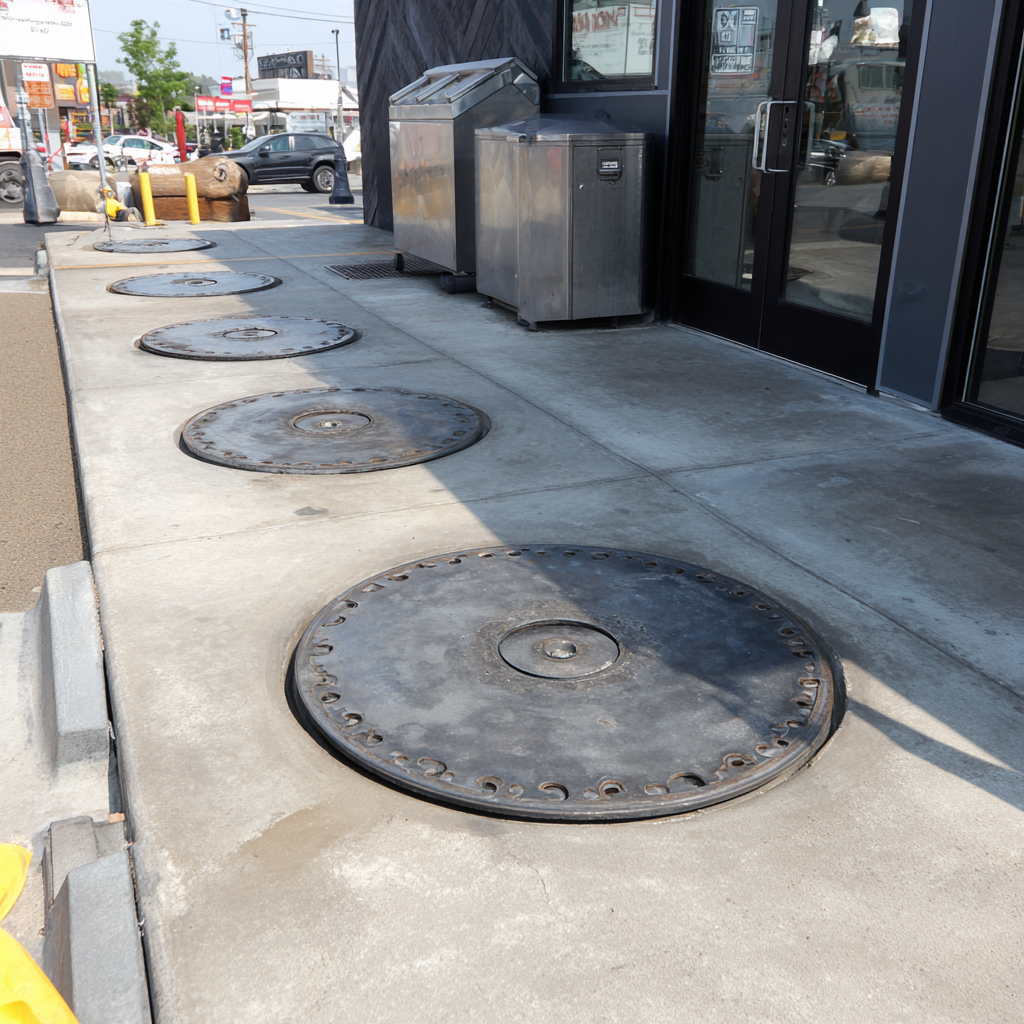
Expert Grease Trap Cleaning for San Jose Restaurants and Commercial Kitchens
Restaurant grease traps in San Jose require regular professional cleaning to prevent backups, control odors, and maintain compliance with city health regulations. These containment systems capture fats, oils, and grease before they enter the sewer system, but only function properly when cleaned on schedule.
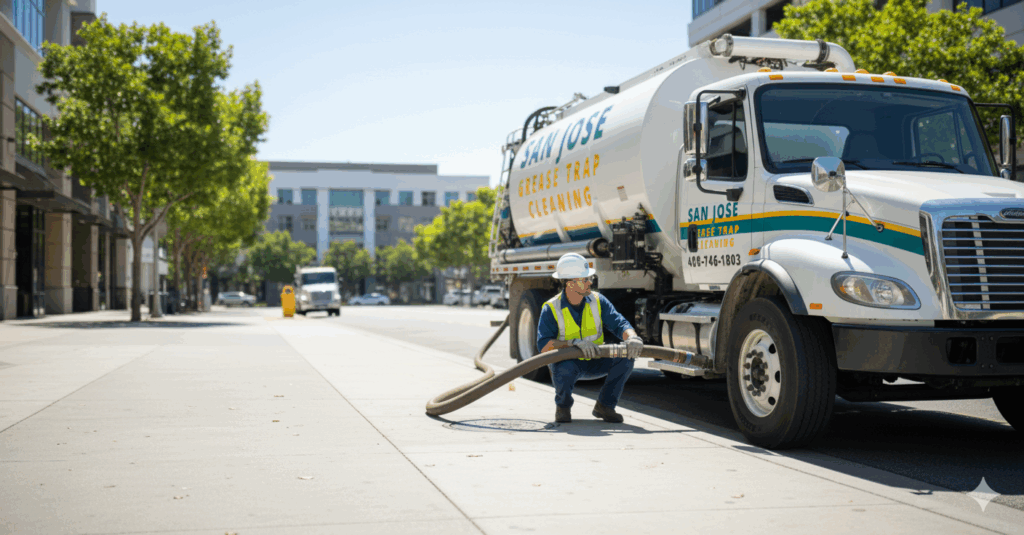
San Jose Grease Trap Cleaning provides thorough grease trap cleaning services for all types of food service establishments throughout the Bay Area. Our technicians pump out accumulated waste, clean trap components, and dispose of FOG materials at licensed facilities in accordance with environmental regulations.
Complete Trap Cleaning Services
Our cleaning process addresses all aspects of grease trap maintenance, from waste removal to component cleaning and performance verification. We handle both indoor and outdoor grease traps, working efficiently to minimize disruption to your business operations.
San Jose Health Code Compliance
San Jose health regulations require regular grease trap cleaning based on trap capacity and accumulation rates. Our services meet all municipal requirements and provide documentation that satisfies health inspector review during routine inspections.
Our Grease Trap Cleaning Process for San Jose Establishments
San Jose Grease Trap Cleaning follows proven procedures for grease trap cleaning:
- Trap Assessment – Evaluation of trap type, size, location, and current waste levels
- Waste Measurement – Documentation of liquid and solid waste quantities before pumping
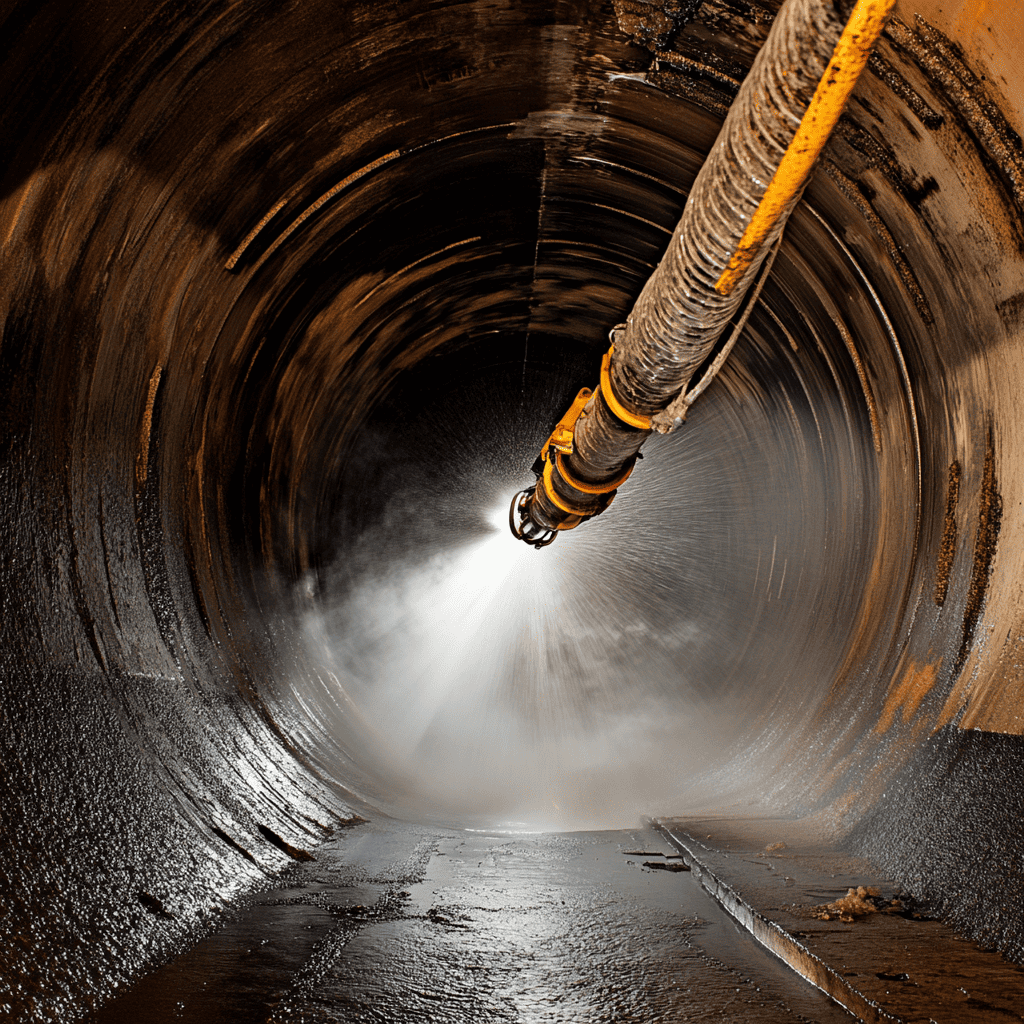
- Complete Pumping – Removal of all liquids, floating grease, and settled solids from trap
- Component Cleaning – Scrubbing of trap walls, baffles, inlet/outlet pipes, and gaskets to remove adhered grease
- Debris Removal – Extraction of food particles and solid waste that reduce trap capacity
- Flow Testing – Water flow verification to confirm proper drainage and trap operation
- Service Documentation – Detailed records including waste quantities, trap condition, and service completion
After finishing grease trap cleaning, we provide service documentation for your records, recommendations for cleaning frequency adjustments if needed, and scheduling assistance for future maintenance services.
Complete Waste Removal
Our technicians clean every component of your grease trap, not just pump out visible waste. This thorough approach removes sticky residue that accumulates on trap surfaces and maintains maximum separation efficiency between cleanings.
Why San Jose Restaurants Trust Our Grease Trap Cleaning Services
San Jose Grease Trap Cleaning has served Bay Area food service businesses for years, developing expertise in various trap configurations, municipal regulations, and the operational requirements of busy commercial kitchens. Our technicians work efficiently and professionally to provide reliable service.
San Jose restaurant owners choose our services for transparent pricing, flexible scheduling that accommodates business hours, and complete documentation that simplifies health inspections. We understand the demands of food service operations and deliver dependable maintenance.
Professional grease trap cleaning services from San Jose Grease Trap Cleaning include:
- Complete waste pumping and removal
- Interior trap cleaning and scrubbing
- Baffle and component maintenance
- Inlet and outlet pipe cleaning
- Performance testing
- Compliance documentation
- Flexible scheduling options
- Emergency cleaning services
- Environmentally responsible disposal
- Licensed hauler services
From small cafe traps to large restaurant systems, our team provides reliable cleaning services that maintain trap performance and keep your establishment compliant with San Jose health regulations.
Understanding Grease Trap Function and Maintenance Needs
How Grease Traps Work
Grease traps are plumbing devices installed between kitchen drains and the sewer connection. They capture fats, oils, and grease from wastewater before these materials enter the municipal sewer system where they cause blockages and environmental problems.
The trap functions through cooling and separation: hot wastewater enters the trap where it cools, causing grease to solidify and float to the surface while food particles settle to the bottom. Cooled, partially clarified water flows out through the outlet pipe to the sewer.
Why Regular Cleaning Matters
Grease traps require regular cleaning because:
- Limited Capacity – Traps fill with waste over time, reducing separation efficiency
- Odor Control – Accumulated waste produces foul odors that affect your establishment
- Regulatory Compliance – San Jose health codes mandate regular cleaning by licensed haulers
- Backup Prevention – Full traps cause drain slowdowns and backups into kitchen sinks
- Environmental Protection – Proper maintenance prevents FOG discharge to the sewer system
Neglecting grease trap cleaning leads to health code violations, expensive plumbing repairs, kitchen shutdowns, and potential fines from environmental violations.
Grease Trap Cleaning Frequency for San Jose Businesses
Determining Cleaning Schedules
San Jose regulations typically require grease trap cleaning when waste accumulation reaches 25% of trap capacity. Cleaning frequency depends on several factors specific to your operation.
Common cleaning intervals include:
- High-Volume Kitchens – Weekly or bi-weekly cleaning
- Medium-Volume Operations – Monthly cleaning
- Lower-Volume Establishments – Quarterly cleaning
- Minimal Grease Production – Semi-annual cleaning
Factors That Affect Frequency
Several variables influence how often your grease trap needs cleaning:
- Daily food preparation volume and menu types
- Hours of operation and peak service periods
- Cooking methods (frying produces more grease than steaming)
- Staff practices regarding food waste disposal
- Trap size relative to kitchen output
- Water temperature and usage patterns
Our technicians monitor waste accumulation patterns during each service and recommend schedule adjustments to maintain optimal trap performance while controlling cleaning costs.
Types of Grease Traps We Service in San Jose
Indoor Grease Traps
Indoor traps are installed inside buildings, typically under sinks or in kitchen areas. These smaller units (ranging from 20 to 100 gallons) serve individual fixtures or small groups of drains.
Characteristics:
- Accessible for frequent cleaning
- Smaller capacity requires more frequent service
- Located in kitchen prep or dishwashing areas
- Easier to monitor waste levels
Outdoor Grease Traps
Outdoor traps are installed outside buildings in parking lots or service areas. These larger units (100 to 1,500 gallons) handle wastewater from entire kitchens through main drain lines.
Characteristics:
- Larger capacity extends cleaning intervals
- Underground installation with manhole access
- Serves multiple kitchen drains
- Requires specialized equipment for cleaning
Automatic Grease Recovery Devices
Some establishments use automatic grease recovery units that heat and skim grease continuously. These systems still require professional service for waste removal and component maintenance.
San Jose Grease Trap Cleaning services all grease trap types and configurations found in Bay Area food service establishments.
Signs Your Grease Trap Needs Cleaning
Warning Indicators
Watch for these signs that indicate your grease trap requires immediate cleaning:
- Slow Draining Sinks – Water drains slowly from kitchen sinks and equipment
- Foul Odors – Unpleasant smells from drains or trap area
- Standing Water – Water backs up in sinks or floor drains
- Grease Overflow – Grease appears around trap covers or cleanouts
- Visible Grease Layer – Surface grease layer exceeds safe levels when inspected
- Kitchen Backups – Wastewater backs up into kitchen drains
Scheduled Inspections
Rather than waiting for problems, establish regular cleaning schedules based on your kitchen’s waste production. Scheduled maintenance prevents issues and ensures consistent compliance with health regulations.
Monthly monitoring between cleanings helps track accumulation rates and adjust service frequency. Our technicians can train your staff to check waste levels and identify when cleaning is approaching due.
Grease Trap Cleaning Procedures and Techniques
Standard Pumping Service
Basic grease trap cleaning involves pumping out all liquid and solid waste from the trap:
- Remove trap cover or access lid
- Measure and document waste levels
- Use vacuum hose to remove liquids
- Pump out floating grease layer
- Remove settled solids from trap bottom
- Replace trap cover
Enhanced Cleaning Service
Thorough cleaning goes beyond pumping to physically clean trap components:
- Complete waste pumping
- Scrub trap walls to remove adhered grease
- Clean baffles and internal components
- Flush inlet and outlet pipes
- Remove debris and food particles
- Rinse trap with clean water
- Test flow and drainage
Enhanced cleaning provides superior results, maintains trap efficiency longer, and reduces odor problems between services. San Jose Grease Trap Cleaning includes component cleaning as standard practice.
Environmental Waste Disposal and Recycling
Licensed Waste Transportation
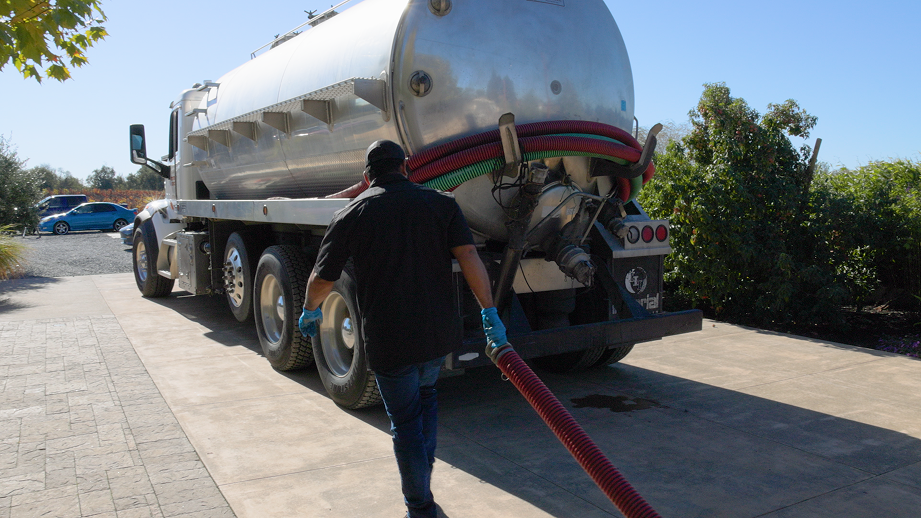
San Jose Grease Trap Cleaning operates with City of San Jose transportation permits and proper licensing for grease waste collection. Our trucks meet environmental standards and receive regular maintenance and inspections.
Approved Disposal Methods
All waste removed from grease traps receives proper handling at licensed facilities:
- Recycling Facilities – FOG conversion to biodiesel and renewable fuels
- Composting Operations – Organic material processing for agricultural use
- Biogas Production – Anaerobic digestion for methane generation
- Approved Disposal Sites – Regulated facilities for non-recyclable materials
We maintain records of all waste quantities and disposal locations, providing documentation that demonstrates environmental compliance and responsible waste management.
Sustainability Commitment
Our commitment to environmental responsibility includes:
- Maximizing waste recycling and recovery
- Using efficient equipment that minimizes environmental impact
- Following best practices for waste handling
- Supporting renewable energy production from waste materials
- Maintaining complete disposal documentation
Maintain Your Commercial Kitchen Standards
San Jose Grease Trap Regulations and Requirements
Municipal Health Codes
San Jose health regulations establish specific requirements for grease traps:
- Installation requirements for food service establishments
- Minimum trap sizing based on fixture units
- Cleaning frequency standards
- Documentation and record-keeping requirements
- Licensed hauler usage mandates
- Inspection compliance expectations
FOG Control Program
San Jose’s Fats, Oils, and Grease Control Program regulates commercial grease management:
- Regular cleaning by permitted haulers
- Proper waste disposal documentation
- Compliance monitoring and enforcement
- Violation penalties and corrective actions
- Best management practices for FOG reduction
Health Inspection Compliance
During routine health inspections, San Jose inspectors review:
- Grease trap service records and cleaning frequency
- Waste hauler licenses and permits
- Disposal documentation
- Trap condition and maintenance
- Kitchen FOG management practices
San Jose Grease Trap Cleaning provides complete documentation that satisfies health inspector requirements and demonstrates ongoing compliance with all municipal regulations.
Common Grease Trap Problems and Solutions
Trap Overflows
- Problem: Grease or wastewater overflows from trap covers or backs up into sinks
- Causes: Excessive waste accumulation, delayed cleaning, trap too small for operation
- Solutions: Emergency pumping, increased cleaning frequency, trap sizing evaluation
Persistent Odors
- Problem: Foul smells from trap area or kitchen drains
- Causes: Decomposing waste buildup, inadequate cleaning, poor ventilation
- Solutions: Thorough cleaning with component scrubbing, enzymatic treatments, improved ventilation
Slow Drainage
- Problem: Kitchen sinks and drains empty slowly or back up during use
- Causes: Partial trap blockage, outlet pipe restriction, excessive grease accumulation
- Solutions: Complete trap cleaning, pipe flushing, regular maintenance scheduling
Baffle Damage
- Problem: Broken or missing baffles inside trap
- Causes: Corrosion, age, physical damage during cleaning
- Solutions: Baffle repair or replacement, proper cleaning procedures
Grease Pass-Through
- Problem: Grease entering sewer system despite trap presence
- Causes: Trap over-capacity, damaged baffles, trap too small, hot water discharge
- Solutions: Increased cleaning frequency, component repairs, operational practice improvements
Grease Trap Cleaning Costs in San Jose
Grease Trap Cleaning Costs in San Jose
Grease trap cleaning costs vary based on:
- Trap Size – Larger capacity traps require more time and disposal costs
- Waste Volume – Greater accumulation increases pumping and hauling fees
- Access Difficulty – Indoor traps or challenging locations may affect labor
- Service Type – Enhanced cleaning with component scrubbing costs more than basic pumping
- Frequency – Regular scheduled service typically costs less per visit than sporadic cleaning
- Emergency Service – Urgent after-hours service includes premium charges
Service Value
Professional grease trap cleaning provides substantial value:
- Compliance Protection – Avoid health violations and fines
- Operational Reliability – Prevent kitchen shutdowns from trap failures
- Plumbing Protection – Avoid expensive drain and sewer repairs
- Documentation – Complete records for health inspections
- Professional Service – Licensed, insured cleaning with guaranteed results
San Jose Grease Trap Cleaning offers straightforward pricing with detailed estimates. We provide service contracts with discounted rates for regular scheduled maintenance that controls costs while ensuring compliance.
Emergency Grease Trap Services
When to Call for Emergency Service
Some situations require immediate professional response:
- Trap overflow or wastewater backup during service hours
- Severe odors affecting customer areas
- Health inspector citation requiring immediate correction
- Complete drain blockage preventing kitchen operation
- Pre-inspection emergency cleaning needs
Emergency Response Capabilities
Our emergency services include:
- Same-day service availability
- After-hours and weekend response options
- Rapid assessment and cleaning
- Temporary solutions while scheduling complete service
- Documentation for health department reporting
Emergency services cost more than scheduled maintenance due to immediate response requirements and potential after-hours work. Establishing regular cleaning schedules prevents most emergencies while providing predictable costs.
Best Practices for Grease Trap Management
Kitchen Operational Practices
Reduce grease accumulation through improved kitchen practices:
- Scrape food waste and grease into trash before washing dishes
- Use drain screens to catch food particles
- Avoid pouring grease or oil down drains
- Train staff on proper waste disposal procedures
- Wipe greasy surfaces before washing
- Use dry cleaning methods when possible
Staff Training
Educate kitchen staff about grease trap management:
- Proper food waste disposal methods
- Understanding how grease affects trap performance
- Recognizing signs of trap problems
- Importance of regulatory compliance
- Role in preventing FOG discharge
Documentation Practices
Maintain records that support compliance:
- Keep all service invoices and cleaning records
- Document waste quantities from each service
- Maintain hauler license verification
- Track cleaning frequency and schedule adherence
- Retain records for minimum three years
Grease Trap Maintenance Between Cleanings
Regular Monitoring
Check trap condition between professional cleanings:
- Inspect waste levels monthly through access cover
- Monitor kitchen drain performance for slowdowns
- Watch for odor development
- Document observations for service planning
Minor Maintenance Tasks
Kitchen staff can perform simple maintenance:
- Keep trap access covers clean and accessible
- Ensure proper ventilation around trap
- Report unusual odors or drainage problems immediately
- Follow proper waste disposal practices
- Avoid harsh chemicals that damage trap components
When to Call Professionals
Contact San Jose Grease Trap Cleaning if you notice:
- Waste levels exceeding 25% of capacity
- Any drainage slowdowns or backups
- Persistent odors despite proper practices
- Visible grease around trap covers
- Upcoming health inspection schedule
Choosing a Grease Trap Cleaning Service in San Jose
Service Provider Qualifications
Service Provider Qualifications
- Valid Licenses – City of San Jose permits and California contractor licenses
- Insurance Coverage – Liability and workers compensation protection
- Equipment Quality – Well-maintained vacuum trucks and pumping equipment
- Experience – Proven track record with commercial grease traps
- Documentation – Complete service records and compliance reporting
- Disposal Compliance – Licensed disposal facility relationships
Service Quality Indicators
Evaluate providers on:
- Thorough cleaning procedures beyond basic pumping
- Detailed service documentation
- Flexible scheduling that works with your hours
- Responsive customer service
- Transparent pricing without hidden fees
- Regular communication about trap condition
San Jose Grease Trap Cleaning meets all licensing requirements and provides reliable service backed by years of experience serving Bay Area restaurants and commercial kitchens. Our professional approach and attention to detail has earned long-term relationships with food service businesses throughout San Jose.
Professional Grease Trap Cleaning Throughout San Jose
Frequently Asked Questions
How often should a grease trap be cleaned in San Jose?
Most San Jose restaurants and commercial kitchens should have their grease traps cleaned every 30 to 90 days, depending on trap size and usage volume. High-volume kitchens may require more frequent service to stay compliant with local health codes. Regular cleaning prevents backups, foul odors, and unexpected plumbing issues.
Is grease trap cleaning required by San Jose health code?
Yes, grease trap cleaning is mandatory under San Jose municipal and health regulations. Food service businesses must maintain clean, properly functioning grease traps to prevent sewer blockages and environmental contamination. Professional service also provides documentation required during health inspections.
What happens if I don’t clean my restaurant grease trap?
Neglecting grease trap cleaning can lead to clogged drains, sewer backups, foul odors, and kitchen shutdowns. Businesses can also face health code violations, fines, and failed inspections. Routine professional cleaning protects your plumbing and keeps your operation compliant.
How long does grease trap cleaning take?
Most grease trap cleaning services in San Jose take 30 minutes to 2 hours, depending on the size of the trap and the level of buildup. Our technicians work efficiently to minimize disruption to your kitchen operations. Emergency and after-hours services are also available.
Do you provide emergency grease trap cleaning in San Jose?
Yes, we offer emergency grease trap cleaning services in San Jose and surrounding Bay Area locations. If you experience slow drains, backups, or strong odors, our team can respond quickly. Fast service helps prevent kitchen closures and serious plumbing damage.
What types of businesses need grease trap cleaning?
Grease trap cleaning is essential for restaurants, cafes, food trucks, bakeries, hotels, schools, hospitals, and commercial kitchens. Any business that cooks or prepares food and produces fats, oils, and grease requires regular grease trap maintenance. We service all food service establishments across San Jose.
Do you provide documentation for health inspections?
Yes, we provide detailed service reports and compliance documentation after every grease trap cleaning. These records include waste volume, service date, and condition reports. This documentation helps you pass health inspections and stay compliant with San Jose regulations.
How much does grease trap cleaning cost in San Jose?
The cost of grease trap cleaning in San Jose depends on trap size, location, accessibility, and waste volume. We provide transparent pricing with detailed quotes, typically within 24 hours of request. There are no hidden fees, and custom service plans are available.
Do you clean both indoor and outdoor grease traps?
Yes, we clean indoor grease traps and large outdoor grease interceptors for San Jose businesses. Our technicians are equipped to handle all trap types, sizes, and configurations. We ensure complete pumping, scrubbing, and performance testing for every system.
How do I schedule grease trap cleaning in San Jose?
You can easily schedule service by calling or texting 408-746-1803 or filling out the online request form. Our team will provide a detailed quote and help you choose a convenient service time. San Jose restaurants typically receive quotes within 24 hours.