Grease Interceptor Pumping
in San Jose
Professional Grease Interceptor Pumping Services in San Jose, CA
Large-scale FOG removal and maintenance for high-volume commercial kitchens and food service facilities
Serving San Jose restaurants, hotels, cafeterias, and food processing operations with expert grease interceptor pumping that maintains system performance and regulatory compliance throughout Santa Clara County.
REVIEWS
What our Customers have to say
EXCELLENT Based on 24 reviews
 Posted on Google
 Thomas GleasonThis company is amazing! They provided a transparent and reasonable quote upfront, which was a pleasant surprise. The quality of their work was worth the cost, and I felt like I got great value for my money. I will definitely be using their service again.Posted on Google
 zanen venturaSan Jose Grease Trap Cleaning team was quick and professional. They thoroughly cleaned the grease trap and their customer service was excellent. They were also responsive and helpful whenever I had any questions. I highly recommend their grease trap cleaning service to others in need.Posted on Google
 Jamie KA great grease trap cleaning company provides professional and efficient service. They always show up on time and work around our schedule to minimize disruption to our business. The technicians are knowledgeable and take the time to clean up after themselves, making sure there is no mess left behind. Highly recommended for their quality service.Posted on Google
 Greg MooreWe use this company to service our grease trap. They are dependable, and we have had great experiences with them over the years. They are easy to work with.Posted on Google
 Jessica Michelle DurouzeauxGood company to work with. They help us keep our grease traps clean and working properly by pumping them out every three months. They are easy to work with and provide excellent service.Posted on Google
 prestige WhitfieldGreat service the pricing is very reasonable and they were able to schedule a service the same week we called. The technicians were professional and efficient, they finish the job and just 15 minutes and even clean the floor before they left. We will definitely continue to use them for all our grease trap cleaning needs.Posted on Google
 Pete DavisSan Jose Grease Trap Cleaning has done a great job for us twice now. They have a professional team who is very fast and knows what they're doing. Compared to other companies we've used, San Jose Grease Trap Cleaning is the best. We give them a perfect A+ rating and highly recommend them for any tough job. Thank you for being the best!Posted on Google
 kayla lemorinWe have been using San Jose Grease Trap Cleaning for a long time. They are very professional, easy to schedule appointments with, good at communicating, and have fair prices. If you need help with cleaning the grease traps at your restaurant, give them a call. You will be happy with their services.Posted on Google
 Brittanee SlackI highly recommend San Jose Grease Trap Cleaning for their grease trap waste removal services. The drivers are great and the crew is very polite.
QUALITY AND EXPERTISE
Get Scheduled For A FREE Quote In Minutes Not Hours!
We Will Challenge Any Licensed Competitor’s Written Price.
- GREASE TRAP SERVICES IN SAN JOSE
- GREASE TRAP PUMPING & CLEANING
- GREASE INTERCEPTOR SERVICES IN SAN JOSE
- RESTAURANTS, SCHOOLS, KITCHENS, CAFETERIAS
- COMMERCIAL, INDUSTRIAL, MANUFACTURING
- ALL SIZES & ANY LOCATION
- FREE SAME DAY ESTIMATES
- FAST, RELIABLE & AFFORDABLE RATES
- CITY OF SAN JOSE PERMITTED TRANSPORTER
SEND US A MESSAGE
GET A GUARANTEED CALL BACK TODAY
Protect Your Business With
Professional Maintenance
Expert Grease Interceptor Pumping for San Jose Commercial Facilities
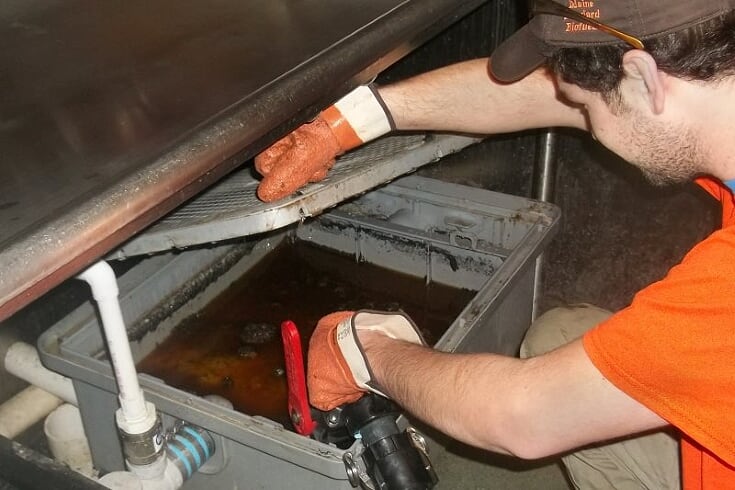
Large commercial kitchens in San Jose rely on grease interceptors to manage high volumes of fats, oils, and grease before wastewater enters the municipal sewer system. San Jose Grease Trap Cleaning provides professional grease interceptor pumping services that remove accumulated FOG, maintain system capacity, and protect your facility from costly backups and regulatory violations.
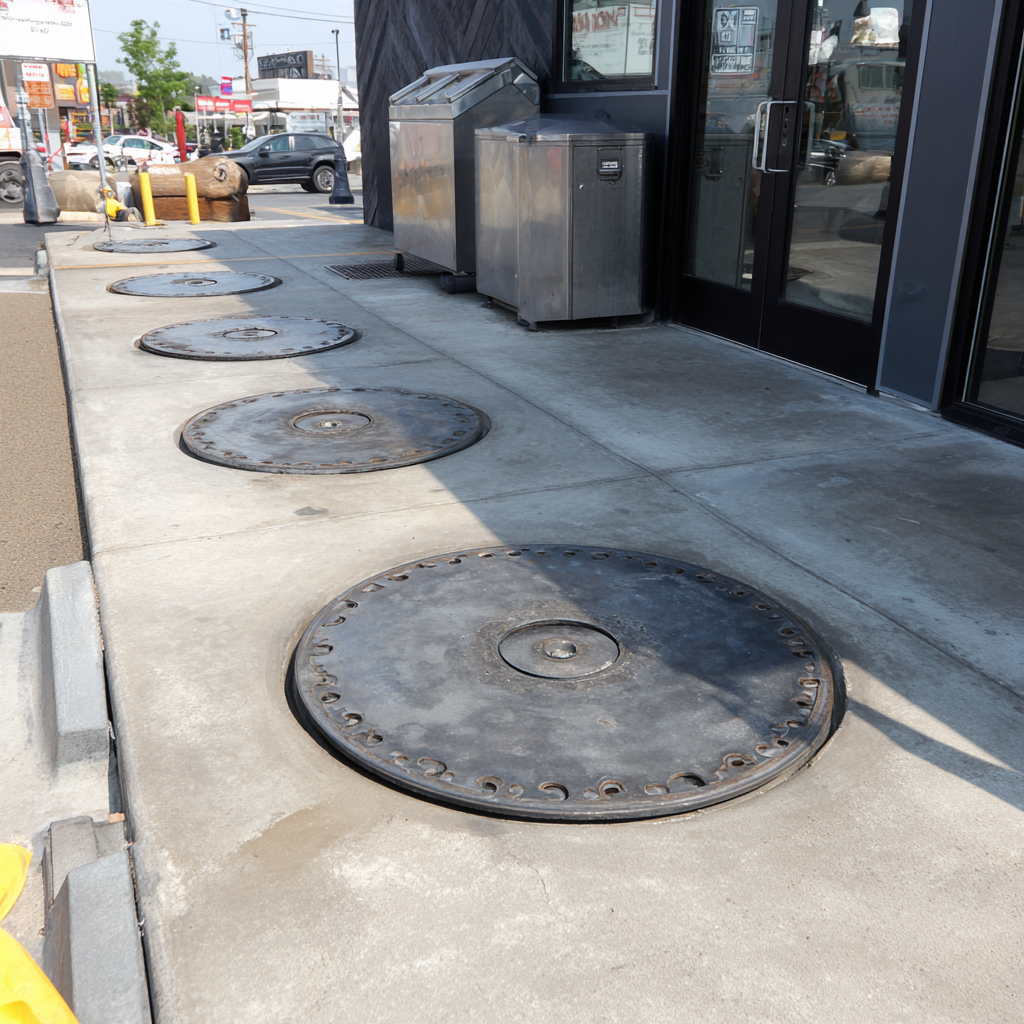
Grease interceptors differ from standard grease traps in size, capacity, and complexity. These large-scale systems typically sit underground outside the building and require specialized equipment, trained technicians, and systematic maintenance to function properly. Our team handles every aspect of interceptor pumping, from initial inspection through final disposal documentation.
Why Regular Pumping Matters
Grease interceptors accumulate fats, oils, grease, and solid waste that reduce storage capacity and interception efficiency. Without regular pumping, interceptors overflow into sewer lines, causing backups, health code violations, and expensive emergency repairs that disrupt your San Jose business operations.
Specialized Equipment and Expertise
Our pumping trucks carry the high-capacity vacuum systems needed to completely empty large interceptors. Our technicians understand the multi-chamber design of these systems and follow proper procedures to pump all compartments while protecting structural integrity.
Our Grease Interceptor Pumping Process
San Jose Grease Trap Cleaning follows systematic procedures for grease interceptor pumping throughout San Jose and Santa Clara County:
- Pre-Service Inspection – We examine all access manholes, check for structural damage, and assess current fill levels before beginning work.
- Complete Chamber Pumping – Our equipment removes all liquid and semi-solid contents from every chamber in your interceptor system, not just the first compartment.
- Heavy Solids Removal – We extract settled solids from interceptor bottoms using specialized tools and techniques that prevent damage to baffles and internal components.
- System Flushing – High-pressure water flushes remaining residue from chamber walls and internal components, restoring full system capacity.
- Component Inspection – After pumping, we inspect baffles, flow patterns, and structural condition to identify maintenance needs or potential problems.
- Proper Waste Disposal – All removed material is transported to licensed facilities for processing, recycling, or disposal according to San Jose and California regulations.
- Documentation Completion – We provide detailed service records, manifest copies, and compliance certificates required by San Jose health departments.
After each service, we seal all access points properly and clean surrounding areas to maintain sanitary conditions at your facility.
Video Documentation Available
We offer video inspection services that document interceptor condition, verify complete pumping, and provide visual records for your maintenance files and regulatory compliance needs.
Understanding Grease Interceptor Systems
Grease interceptors serve as large-scale FOG management devices designed for commercial facilities that produce substantial grease volumes. Understanding how these systems work helps San Jose businesses maintain them properly.
Interceptor Design and Function
Grease interceptors typically feature:
- Multiple Chambers – Two or three compartments that separate grease, solids, and water through settling and flotation
- Large Capacity – Storage volumes ranging from 500 to 2,000+ gallons for high-volume operations
- Underground Installation – Buried tanks accessed through surface manholes
- Flow Control Devices – Baffles and tees that direct wastewater flow and prevent turbulence
- Sample Ports – Testing points for measuring grease and solids accumulation
How Interceptors Work
Wastewater enters the first chamber where:
- Flow velocity decreases, allowing separation to begin
- Heavy solids settle to the bottom
- Grease and oils float to the surface
- Partially clarified water flows to the second chamber
The second chamber provides additional settling time before relatively clean water exits to the sewer system. Regular pumping removes accumulated materials before they reduce separation efficiency.
Interceptor vs. Trap Differences
Grease interceptors handle much larger volumes than standard grease traps, serve multiple fixtures or entire facilities, require professional pumping equipment, and demand more complex maintenance procedures.
Understanding Grease Trap Function and Maintenance Needs
How Grease Traps Work
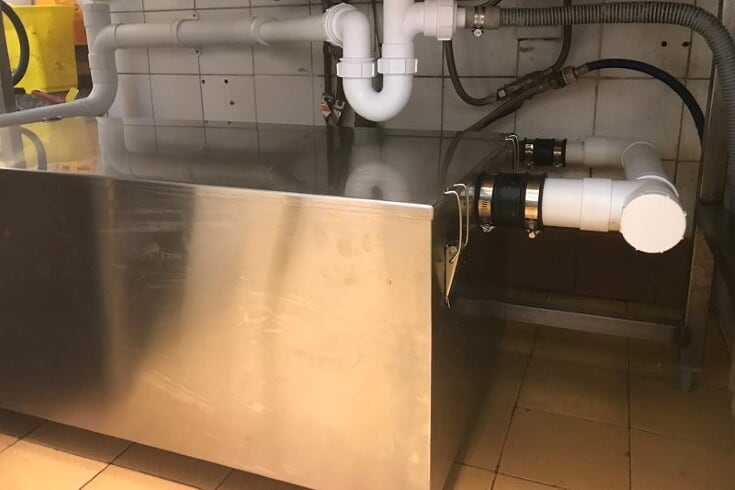
Grease traps are plumbing devices installed between kitchen drains and the sewer connection. They capture fats, oils, and grease from wastewater before these materials enter the municipal sewer system where they cause blockages and environmental problems.
The trap functions through cooling and separation: hot wastewater enters the trap where it cools, causing grease to solidify and float to the surface while food particles settle to the bottom. Cooled, partially clarified water flows out through the outlet pipe to the sewer.
Why Regular Cleaning Matters
Grease traps require regular cleaning because:
- Limited Capacity – Traps fill with waste over time, reducing separation efficiency
- Odor Control – Accumulated waste produces foul odors that affect your establishment
- Regulatory Compliance – San Jose health codes mandate regular cleaning by licensed haulers
- Backup Prevention – Full traps cause drain slowdowns and backups into kitchen sinks
- Environmental Protection – Proper maintenance prevents FOG discharge to the sewer system
Pumping Frequency Requirements for San Jose Facilities
Determining appropriate grease interceptor pumping frequency protects your San Jose facility from system failures while managing maintenance costs effectively.
Factors Affecting Pumping Frequency
- Facility Volume – High-volume kitchens generate more grease requiring frequent pumping
- Menu Composition – Operations serving fried foods produce heavier grease loads
- Interceptor Size – Larger capacity systems may operate longer between services
- Water Usage – Higher water volumes affect grease accumulation rates
- Best Management Practices – Proper staff training and FOG controls reduce waste generation
San Jose Regulatory Requirements
San Jose health departments typically require grease interceptor pumping when:
- FOG layer reaches 25% of liquid depth
- Settled solids accumulate to 25% of liquid depth
- Combined FOG and solids reach 25% of total capacity
- Specific time intervals pass (often quarterly minimum)
Recommended Service Intervals
Most San Jose commercial facilities benefit from:
- Monthly Pumping – Very high-volume restaurants, 24-hour operations, fast food chains
- Quarterly Pumping – Standard restaurants, hotel kitchens, school cafeterias
- Semi-Annual Pumping – Lower-volume facilities with large interceptor capacity
- Custom Schedules – Programs tailored to your measured accumulation rates
Monitoring Between Services
San Jose facilities should check interceptor levels monthly using measuring sticks at sample ports. This monitoring identifies when pumping is needed and helps optimize service schedules.
Signs Your Interceptor Needs Immediate Pumping
Recognizing warning signs of grease interceptor problems helps San Jose facilities schedule service before system failures occur.
Performance Indicators
Watch for these signs indicating immediate pumping needs:
Characteristics:
- Accessible for frequent cleaning
- Smaller capacity requires more frequent service
- Located in kitchen prep or dishwashing areas
- Easier to monitor waste levels
Emergency Situations
Immediate professional service is required when:
- Complete blockages stop drainage from multiple fixtures
- Sewage backs up into kitchen or dining areas
- Health inspectors identify code violations
- Structural damage to interceptor is suspected
- Local authorities issue violation notices
Signs Your Grease Trap Needs Cleaning
Warning Indicators
Watch for these signs that indicate your grease trap requires immediate cleaning:
- Slow Draining Sinks – Water drains slowly from kitchen sinks and equipment
- Foul Odors – Unpleasant smells from drains or trap area
- Standing Water – Water backs up in sinks or floor drains
- Grease Overflow – Grease appears around trap covers or cleanouts
- Visible Grease Layer – Surface grease layer exceeds safe levels when inspected
- Kitchen Backups – Wastewater backs up into kitchen drains
Scheduled Inspections
Rather than waiting for problems, establish regular cleaning schedules based on your kitchen’s waste production. Scheduled maintenance prevents issues and ensures consistent compliance with health regulations.
Monthly monitoring between cleanings helps track accumulation rates and adjust service frequency. Our technicians can train your staff to check waste levels and identify when cleaning is approaching due.
Benefits of Professional Grease Interceptor Pumping
San Jose commercial facilities that maintain regular professional interceptor pumping programs experience multiple operational and financial advantages.
Regulatory Compliance
Professional pumping services ensure:
- Compliance with San Jose FOG management ordinances
- Proper documentation for health department inspections
- Certified waste disposal meeting environmental regulations
- Protection from violation fines and penalties
- Maintained operating permits and licenses
System Performance
Regular pumping maintains:
- Maximum interception efficiency (85%+ when properly maintained)
- Full system capacity for handling grease loads
- Proper flow rates through all chambers
- Functional baffles and flow control devices
- Structural integrity of underground tanks
Cost Management
Professional maintenance reduces:
- Emergency repair expenses from system failures
- Sewer line cleaning costs from FOG discharge
- Health department fines and violation penalties
- Business interruption from drainage problems
- Property damage from sewage backups
Cost Management
Proper pumping prevents:
- FOG discharge into San Jose’s sewer system
- Sanitary sewer overflows affecting neighborhoods
- Water pollution harming local waterways
- Treatment plant disruption from excessive grease
- Environmental cleanup costs and liability
Grease Interceptor Cleaning and Maintenance
Beyond routine pumping, grease interceptors require periodic deep cleaning and maintenance to ensure long-term performance and structural integrity.
Deep Cleaning Services
Complete interceptor cleaning includes:
- Hydro-Jetting – High-pressure water removes caked residue from chamber walls and baffles
- Baffle Cleaning – Thorough cleaning of flow control devices and internal components
- Outlet Line Flushing – Clearing discharge lines between interceptor and sewer connection
- Access Point Cleaning – Removing buildup from manholes and risers
- Surface Restoration – Cleaning surrounding concrete pads and access areas
Structural Inspections
Annual inspections should evaluate:
- Tank structural integrity and corrosion levels
- Baffle condition and proper positioning
- Manhole seals and covers
- Inlet and outlet connections
- Flow patterns and system hydraulics
Component Repairs
Common maintenance needs include:
- Baffle replacement or repositioning
- Manhole seal repairs
- Cover replacement for damaged or unsafe lids
- Outlet pipe repairs or clearing
- Flow restrictor adjustments
Service Frequency
San Jose facilities typically need deep cleaning:
- Annually for high-volume operations
- Every 2-3 years for standard restaurants
- When inspection reveals heavy residue buildup
- After extended periods of deferred maintenance
Maintain Your Commercial Kitchen Standards
Proper Waste Disposal and Environmental Compliance
Professional grease interceptor pumping includes responsible handling and disposal of removed materials according to San Jose and California environmental regulations.
Waste Classification
Pumped interceptor contents typically contain:
- Liquid grease and oils floating on surface
- Gray water from kitchen operations
- Food solids and organic matter
- Inorganic solids like bottle caps and utensils
- Chemical residues from cleaning products
Licensed Disposal Facilities
We transport all pumped material to facilities permitted for:
- Grease recycling into biodiesel or industrial products
- Organic waste composting or digestion
- Wastewater treatment before discharge
- Solid waste landfilling when necessary
- Hazardous waste handling if contamination present
Manifesting and Tracking
Professional services provide:
- Waste manifests documenting quantities removed
- Facility receipts proving proper disposal
- Chain of custody records
- Annual disposal summaries
- Regulatory compliance documentation
Generator Responsibilities
San Jose facilities remain responsible for waste until final disposal. Working with licensed haulers protects your business from liability if waste is later mishandled.
Cost Factors for Grease Interceptor Pumping
Understanding what influences grease interceptor pumping costs helps San Jose facilities budget appropriately and optimize service investments.
Primary Cost Factors
- Interceptor Size – Larger capacity systems cost more to pump due to volume
- Access Difficulty – Limited access increases labor time and equipment needs
- Solids Accumulation – Heavy solid buildup requires additional removal time
- Service Frequency – Regular customers often receive better per-service rates
- Location – Travel distance to your San Jose facility affects pricing
- Disposal Costs – Waste processing fees vary by material type and facility
Service Pricing Models
Pumping services typically charge based on:
- Per-Gallon Rates – Pricing tied to actual volume removed
- Flat Service Fees – Set prices for standard-sized interceptors
- Contract Programs – Discounted rates for regular scheduled service
- Emergency Rates – Premium pricing for after-hours or urgent calls
Value Considerations
Evaluate service providers based on:
- Complete pumping of all chambers (not just surface skimming)
- Proper disposal with documentation
- Reliable scheduling and service quality
- Preventive maintenance recommendations
- Responsive customer service
Cost-Benefit Analysis
Regular professional pumping costs significantly less than:
- Emergency repairs from system failures ($5,000-$15,000+)
- Health department fines ($500-$5,000 per violation)
- Sewer line repairs from FOG blockages ($3,000-$10,000+)
- Business closure during emergency remediation
Documentation and Record Keeping Requirements
San Jose facilities must maintain detailed records of grease interceptor pumping and maintenance to demonstrate regulatory compliance during health inspections.
Required Documentation
San Jose health departments expect records showing:
- Service Dates – When pumping was performed
- Service Provider – Company name and license numbers
- Waste Volumes – Quantities of grease, solids, and water removed
- Disposal Location – Where material was taken for processing
- Manifest Numbers – Waste tracking documentation
- Inspector Signatures – Verification of work completed
Record Retention
Maintain interceptor service records for:
- Minimum 3 years as required by San Jose regulations
- Entire facility ownership period for property records
- Time period specified in your business insurance policy
- Duration of any ongoing regulatory matters
Digital vs. Paper Records
Modern service providers offer:
- Online portals accessing complete service history
- Digital copies of manifests and certificates
- Automated compliance reminders
- Mobile access to records during inspections
Inspection Preparation
Having organized records ready demonstrates:
- Compliance with pumping frequency requirements
- Proper use of licensed service providers
- Responsible waste disposal practices
- Professional facility management
Common Grease Interceptor Problems and Solutions
San Jose facilities occasionally experience interceptor issues beyond simple FOG accumulation. Understanding common problems helps you respond appropriately.
Structural Failures
- Tank Cracks – Concrete deterioration from age or ground movement
- Baffle Damage – Broken or collapsed flow control devices
- Inlet/Outlet Failures – Pipe connection problems
- Manhole Issues – Damaged access points or seals
Solutions require professional assessment, structural repairs, and possible system replacement if damage is extensive.
Hydraulic Problems
Flow issues include:
- Insufficient Retention Time – Water moving too quickly through system
- Short-Circuiting – Flow bypassing treatment chambers
- Turbulence – Improper design or damage disrupting settling
- Overloading – Water volume exceeding system capacity
Resolution may involve flow restrictors, baffle adjustments, or system capacity upgrades.
Excessive Solids
Heavy solid accumulation results from:
- Food waste disposal into drains
- Inadequate drain screens and strainers
- Improper staff practices
- Garbage disposal overuse
Prevention requires staff training, improved source controls, and more frequent pumping.
Odor Issues
Persistent smells indicate:
- Anaerobic conditions in interceptor
- Manhole seal failures
- Inadequate venting
- Severely overloaded system
Solutions include increased pumping frequency, seal repairs, and biological treatments.
Best Management Practices for Interceptor Performance
San Jose facilities can extend time between pumping services and improve interceptor performance through proper operational practices.
Source Control Measures
Reduce FOG entering interceptors by:
- Drain Screens – Installing strainers on all sink drains
- Scraping Practices – Removing food waste from dishes before washing
- Dry Cleanup – Wiping grease from cookware before washing
- Staff Training – Educating employees about proper disposal
- No Dumping – Never pouring fryer oil or grease down drains
Kitchen Operations
Operational practices that help include:
- Using cold water for initial pot washing (solidifies grease)
- Minimizing detergent use (breaks grease into smaller particles)
- Segregating heavily soiled items for pre-washing
- Maintaining kitchen equipment to prevent grease leaks
- Scheduling heavy cleaning during low-flow periods
Monitoring Procedures
Regular system monitoring includes:
- Monthly measurement of FOG and solids levels
- Visual inspection of accessible components
- Checking for unusual odors or drainage issues
- Recording measurements in maintenance logs
- Scheduling pumping before reaching 25% threshold
Staff Responsibilities
Assign specific employees to:
- Perform monthly level checks
- Maintain monitoring records
- Report problems immediately
- Coordinate with pumping services
- Attend FOG management training
Grease Interceptor Installation and Sizing
New San Jose facilities or those expanding operations may need grease interceptor installation or capacity upgrades to meet regulatory requirements.
Sizing Requirements
Proper interceptor sizing considers:
- Flow Rate – Maximum wastewater discharge in gallons per minute
- Fixture Count – Number of sinks, dishwashers, and other sources
- Retention Time – Minimum time required for separation (typically 30+ minutes)
- Kitchen Type – Food service operation category and volume
- Local Codes – San Jose specific requirements may exceed state minimums
Installation Considerations
Successful installations require:
- Proper location with adequate access for pumping trucks
- Correct depth and slope for inlet/outlet pipes
- Structural design for expected loads and ground conditions
- Adequate venting to prevent odor problems
- Compliance with setback requirements from buildings and utilities
Permit Requirements
San Jose interceptor installations need:
- Building permits from city planning departments
- Plumbing permits for drain connections
- Health department approval of system design
- Underground tank installation permits
- Final inspections before operation
Professional Installation
Qualified contractors should handle installation because:
- Improper sizing leads to poor performance and code violations
- Installation errors cause expensive remediation needs
- Underground work requires expertise and equipment
- Permit compliance needs professional documentation
Biological Treatments and Additives
Some San Jose facilities consider biological treatments or enzyme products to supplement their grease interceptor maintenance programs.
How Biological Treatments Work
These products contain:
- Bacteria that consume grease and organic matter
- Enzymes that break down fats into smaller molecules
- Nutrients supporting bacterial growth
- Delivery systems for introducing products
Potential Benefits
Manufacturers claim treatments can:
- Reduce grease accumulation between pumpings
- Control odors from decomposing organic matter
- Improve interception efficiency
- Extend equipment life
Important Limitations
San Jose facilities should understand:
- Not Substitutes – Treatments never replace required pumping
- Variable Results – Effectiveness depends on many factors
- Cost Considerations – Products add expense with uncertain benefits
- Regulatory Acceptance – Some jurisdictions discourage or prohibit additives
Professional Recommendations
Most experts suggest:
- Focus on proper pumping schedules and best management practices
- Use treatments only as supplements, never replacements
- Avoid products making unrealistic claims
- Consult service providers before using additives
- Monitor results carefully if trying treatments
Emergency Response for Interceptor Failures
Grease interceptor emergencies require immediate professional response to minimize business disruption and environmental impact.
Emergency Situations
Critical problems include:
- Complete drainage blockages affecting kitchen operations
- Sewage backing up into building through floor drains
- Visible grease overflow from manhole covers
- Structural failures causing groundwater contamination
- Health department stop-work orders
Immediate Actions
When emergencies occur:
- Stop all wastewater discharge from kitchen immediately
- Contact professional pumping service for emergency response
- Document situation with photos and notes
- Notify property management or ownership
- Prepare for possible health department involvement
Emergency Service Response
Professional emergency services provide:
- Rapid arrival (typically within 2-4 hours)
- Equipment to handle severe blockages
- Temporary solutions to restore partial operations
- Coordination with authorities if required
- Follow-up recommendations to prevent recurrence
Prevention Strategies
Avoid emergencies through:
- Never deferring scheduled pumping services
- Responding quickly to early warning signs
- Maintaining detailed service records
- Implementing robust best management practices
- Conducting regular system inspections
Seasonal Considerations for Grease Interceptor Maintenance
San Jose facilities may need to adjust grease interceptor maintenance approaches based on seasonal business variations and weather conditions.
High-Volume Periods
During busy seasons:
- Increase pumping frequency to handle higher grease loads
- Monitor levels more frequently between services
- Reinforce staff training on FOG disposal practices
- Schedule services to avoid peak business hours
- Maintain backup service provider contacts
Temperature Effects
Seasonal temperature changes affect:
- Grease viscosity and flow characteristics
- Bacterial activity in biological treatments
- Odor intensity from interceptor systems
- Maintenance scheduling around weather
Holiday Planning
Major holidays require:
- Pre-holiday pumping before high-volume periods
- Confirmed service availability during holiday weeks
- Emergency service contact information readily available
- Additional staff training before seasonal rushes
Preventive Maintenance Timing
Schedule major maintenance during:
- Slower business periods when brief closures are feasible
- Mild weather conditions for outdoor work
- Times when temporary kitchen limitations are manageable
- Periods allowing adequate cure time for repairs
Regulatory Compliance and Inspection Preparation
San Jose health departments conduct regular inspections of food service facilities, including evaluation of grease interceptor maintenance and FOG management programs.
What Inspectors Check
Health inspectors evaluate:
- Service records showing proper pumping frequency
- Evidence of licensed hauler use
- Proper waste disposal documentation
- Interceptor level measurements
- Best management practice implementation
- Staff knowledge of FOG procedures
- Visible signs of system problems
Preparing for Inspections
San Jose facilities should:
- Organize all service records in accessible format
- Ensure interceptor was recently pumped if near threshold
- Have staff available who can answer FOG questions
- Provide easy access to interceptor manholes
- Display any required permits or certificates
Common Violations
Facilities receive citations for:
- Deferred pumping exceeding required frequency
- Interceptor levels above 25% threshold
- Missing or incomplete service records
- Use of unlicensed service providers
- Lack of best management practices
- Structural problems with interceptor
Violation Response
If violations are issued:
- Schedule immediate corrective action
- Document repairs or services performed
- Request follow-up inspection to verify compliance
- Implement systems preventing future violations
- Consider consultant assistance for serious issues
Choosing a Grease Interceptor Pumping Service Provider
Selecting the right pumping service partner affects your San Jose facility’s compliance, operational reliability, and maintenance costs.
Licensing and Credentials
Verify providers maintain:
- Valid California liquid waste hauler licenses
- San Jose business licenses and permits
- Proper insurance coverage including liability and workers compensation
- Licensed disposal facility contracts
- Professional industry memberships
Service Capabilities
Evaluate provider capacity for:
- Complete multi-chamber pumping (not just skimming)
- Adequate equipment for your interceptor size
- Flexible scheduling meeting your needs
- Emergency service availability
- Additional services like hydro-jetting and repairs
Quality Indicators
Look for providers offering:
- Detailed service documentation and manifests
- Digital record keeping and online access
- Video inspection capabilities
- Preventive maintenance recommendations
- Responsive customer communication
Reference Checks
Contact current clients to assess:
If violations are issued:
- Service reliability and punctuality
- Quality of work performed
- Professionalism of technicians
- Problem resolution responsiveness
- Overall satisfaction levels
Contract Terms
Review agreements for:
- Clear pricing structures and payment terms
- Service frequency requirements and flexibility
- Cancellation policies and notice periods
- Warranty or guarantee provisions
- Liability and insurance terms
Professional Grease Interceptor Pumping Throughout San Jose, California
Frequently Asked Questions
How often should a grease interceptor be pumped in San Jose?
Most San Jose commercial kitchens require grease interceptor pumping every 1–3 months, depending on kitchen volume, menu type, and system size. Local regulations generally require pumping when grease and solids reach 25% of the tank’s total capacity. High-volume restaurants may need monthly service.
What is the difference between a grease trap and a grease interceptor?
Grease traps are smaller, indoor units designed for light to moderate grease loads. Grease interceptors are large, underground tanks designed for high-volume commercial kitchens and food processing facilities. Interceptors require vacuum trucks and professional pumping equipment.
Is grease interceptor pumping required by law in San Jose?
Yes, San Jose requires commercial food service facilities to maintain grease interceptors according to local FOG (Fats, Oils, and Grease) ordinances. Regular pumping and proper documentation are required to stay compliant and avoid fines.
How long does grease interceptor pumping take?
Most standard grease interceptor pumping services take between 1–2 hours. Larger systems or heavily neglected units may take longer due to solid removal and system flushing. Businesses can usually remain open during service.
What happens to the waste after pumping?
All grease and waste are transported to licensed disposal and recycling facilities. Materials may be processed into biodiesel, composted, or treated at wastewater plants. Proper manifests and disposal records are provided for compliance.
Can I pump my grease interceptor myself?
No. San Jose regulations require grease interceptors to be serviced by licensed, professional waste haulers. DIY pumping is not legal and can result in fines and environmental violations.
How much does grease interceptor pumping cost in San Jose?
Costs vary based on tank size, waste volume, access conditions, and disposal fees. Regularly scheduled service is more affordable than emergency pumping. You can request a free estimate for exact pricing.
What are the signs my interceptor needs immediate pumping?
Slow drains, sewer odors, gurgling sounds, visible grease in manholes, and floor drain backups are common warning signs. If sewage backs up into your facility, emergency service is required immediately.
Do you provide compliance documentation?
Yes, professional service includes waste manifests, service records, disposal documentation, and compliance certificates. These records help you pass health inspections and meet San Jose regulations.
Do you offer emergency grease interceptor pumping in San Jose?
Yes, emergency pumping is available for backups, overflows, and blockages. Rapid response services help restore operations quickly and reduce health and environmental risks.