Grease Interceptor Cleaning
in San Jose
Expert Grease Interceptor Cleaning Services in San Jose, CA
Professional cleaning and maintenance for commercial grease interceptors serving restaurants, hotels, and high-volume food facilities
San Jose Grease Trap Cleaning provides specialized grease interceptor cleaning services for commercial kitchens throughout San Jose and the Bay Area. Our certified technicians handle large-capacity interceptor systems with advanced equipment and environmentally responsible disposal methods that keep your facility compliant with local regulations.
REVIEWS
What our Customers have to say
EXCELLENT Based on 24 reviews
 Posted on Google
 Thomas GleasonThis company is amazing! They provided a transparent and reasonable quote upfront, which was a pleasant surprise. The quality of their work was worth the cost, and I felt like I got great value for my money. I will definitely be using their service again.Posted on Google
 zanen venturaSan Jose Grease Trap Cleaning team was quick and professional. They thoroughly cleaned the grease trap and their customer service was excellent. They were also responsive and helpful whenever I had any questions. I highly recommend their grease trap cleaning service to others in need.Posted on Google
 Jamie KA great grease trap cleaning company provides professional and efficient service. They always show up on time and work around our schedule to minimize disruption to our business. The technicians are knowledgeable and take the time to clean up after themselves, making sure there is no mess left behind. Highly recommended for their quality service.Posted on Google
 Greg MooreWe use this company to service our grease trap. They are dependable, and we have had great experiences with them over the years. They are easy to work with.Posted on Google
 Jessica Michelle DurouzeauxGood company to work with. They help us keep our grease traps clean and working properly by pumping them out every three months. They are easy to work with and provide excellent service.Posted on Google
 prestige WhitfieldGreat service the pricing is very reasonable and they were able to schedule a service the same week we called. The technicians were professional and efficient, they finish the job and just 15 minutes and even clean the floor before they left. We will definitely continue to use them for all our grease trap cleaning needs.Posted on Google
 Pete DavisSan Jose Grease Trap Cleaning has done a great job for us twice now. They have a professional team who is very fast and knows what they're doing. Compared to other companies we've used, San Jose Grease Trap Cleaning is the best. We give them a perfect A+ rating and highly recommend them for any tough job. Thank you for being the best!Posted on Google
 kayla lemorinWe have been using San Jose Grease Trap Cleaning for a long time. They are very professional, easy to schedule appointments with, good at communicating, and have fair prices. If you need help with cleaning the grease traps at your restaurant, give them a call. You will be happy with their services.Posted on Google
 Brittanee SlackI highly recommend San Jose Grease Trap Cleaning for their grease trap waste removal services. The drivers are great and the crew is very polite.
QUALITY AND EXPERTISE
Get Scheduled For A FREE Quote In Minutes Not Hours!
We Will Challenge Any Licensed Competitor’s Written Price.
- GREASE TRAP SERVICES IN SAN JOSE
- GREASE TRAP PUMPING & CLEANING
- GREASE INTERCEPTOR SERVICES IN SAN JOSE
- RESTAURANTS, SCHOOLS, KITCHENS, CAFETERIAS
- COMMERCIAL, INDUSTRIAL, MANUFACTURING
- ALL SIZES & ANY LOCATION
- FREE SAME DAY ESTIMATES
- FAST, RELIABLE & AFFORDABLE RATES
- CITY OF SAN JOSE PERMITTED TRANSPORTER
SEND US A MESSAGE
GET A GUARANTEED CALL BACK TODAY
Protect Your Business With
Professional Maintenance
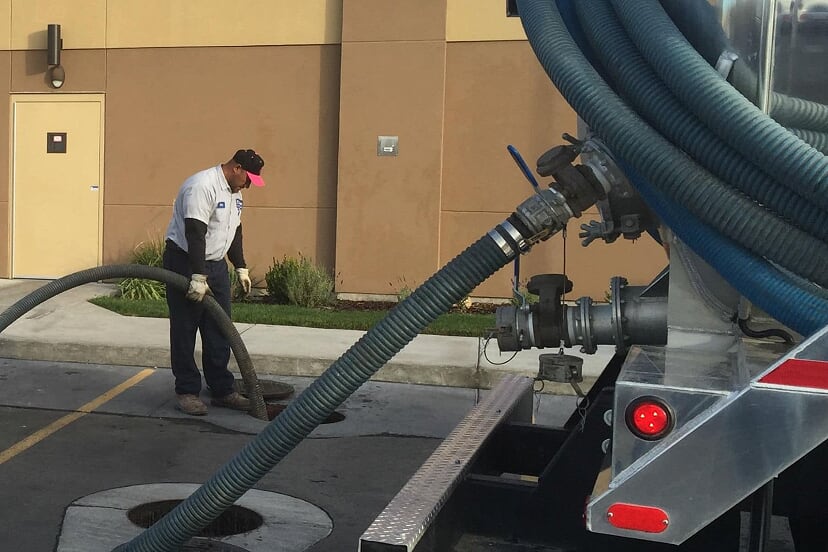
Professional Grease Interceptor Cleaning for San Jose Commercial Kitchens
Commercial grease interceptors in San Jose require specialized cleaning services that go beyond standard grease trap maintenance. These large-capacity systems handle substantial volumes of fats, oils, and grease (FOG) from high-volume kitchens, making professional cleaning necessary for system performance and regulatory compliance.
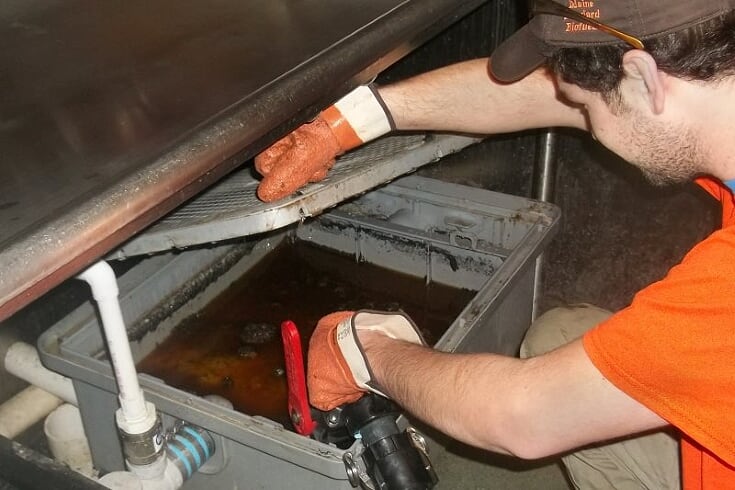
San Jose Grease Trap Cleaning delivers expert interceptor cleaning services designed for restaurants, hotels, cafeterias, and commercial food facilities throughout the Bay Area. Our technicians use hydro-jetting technology and vacuum equipment to thoroughly clean all chambers, baffles, and components of your interceptor system.
Large-Capacity System Expertise
Grease interceptors differ significantly from standard grease traps in size, complexity, and cleaning requirements. Our team has extensive experience with underground interceptor systems, multiple-chamber configurations, and the specialized equipment needed for thorough cleaning without disrupting your business operations.
San Jose Code Compliance
San Jose municipal codes and California health regulations establish specific requirements for grease interceptor maintenance and cleaning frequency. Our services meet all local and state standards, providing documentation that demonstrates compliance during health inspections and environmental reviews.
Our Grease Interceptor Cleaning Process for San Jose Facilities
San Jose Grease Trap Cleaning follows systematic protocols for grease interceptor cleaning:
- System Assessment – Complete evaluation of interceptor size, configuration, access points, and current waste levels
- Pre-Cleaning Preparation – Removal of manhole covers, safety setup, and preparation of vacuum and hydro-jetting equipment
- Waste Extraction – Vacuum pumping of all liquids, fats, oils, grease, and settled solids from interceptor chambers
- Hydro-Jetting Cleaning – High-pressure water cleaning (3500 PSI) that removes adhered grease, buildup, and debris from chamber walls, baffles, and inlet/outlet pipes
- Component Inspection – Examination of baffles, tees, inlet/outlet pipes, and structural integrity during cleaning
- Final Testing – Water flow testing to verify proper operation and drainage after cleaning completion
- Documentation – Detailed service records including waste quantities, system condition, and compliance certification
After completing interceptor cleaning services, we provide maintenance recommendations, schedule planning for future services, and all documentation needed for health department records and environmental compliance reporting.
Advanced Cleaning Technology
Our hydro-jetting equipment delivers high-pressure water streams that eliminate stubborn grease deposits and buildup that standard pumping cannot remove. This thorough cleaning extends interceptor life, improves efficiency, and prevents system failures that result in costly emergency repairs.
Why San Jose Businesses Choose Our Grease Interceptor Cleaning Services
San Jose Grease Trap Cleaning has provided interceptor cleaning services throughout the Bay Area for years, building expertise in large-capacity systems, underground installations, and the specific requirements of high-volume commercial kitchens. Our technicians understand the operational demands of busy food facilities and work efficiently to minimize disruption.
San Jose business owners trust our ability to handle complex interceptor systems while maintaining strict safety protocols and environmental standards. We provide transparent pricing and detailed service documentation that supports regulatory compliance and operational planning.
Professional grease interceptor cleaning services from San Jose Grease Trap Cleaning include:
- Complete waste extraction from all chambers
- High-pressure hydro-jetting of interior surfaces
- Baffle and component inspection
- Inlet and outlet pipe cleaning
- System performance testing
- Compliance documentation
- Emergency cleaning services
- Customized maintenance scheduling
- Environmental waste disposal
- City permit compliance
From small restaurant interceptors to large hotel systems, our team delivers thorough cleaning services that maintain system performance while meeting San Jose’s strict environmental and health regulations.
Understanding Grease Interceptor Systems and Cleaning Requirements
How Grease Interceptors Work
Grease interceptors are large-capacity containment systems installed underground outside commercial kitchens. Unlike smaller grease traps located inside facilities, interceptors handle higher volumes of wastewater and FOG from multiple kitchen drains and equipment.
The system operates through gravity separation: wastewater enters the first chamber where FOG floats to the surface while solids settle to the bottom. Partially clarified water flows through baffles into subsequent chambers for additional separation before exiting to the municipal sewer system.
Why Professional Cleaning Matters
Grease interceptors require professional cleaning because:
- System Complexity – Multiple chambers, baffles, and access points need specialized equipment and knowledge
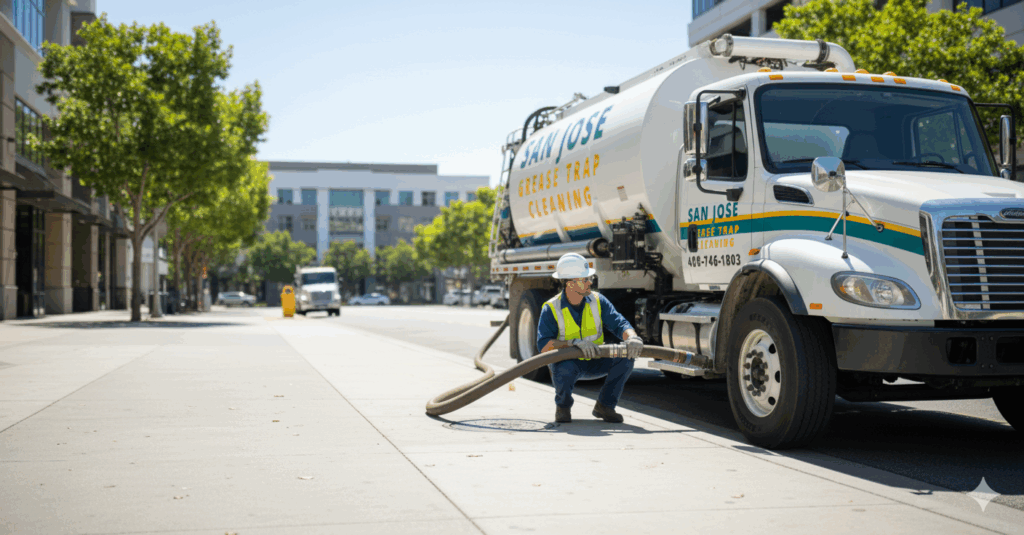
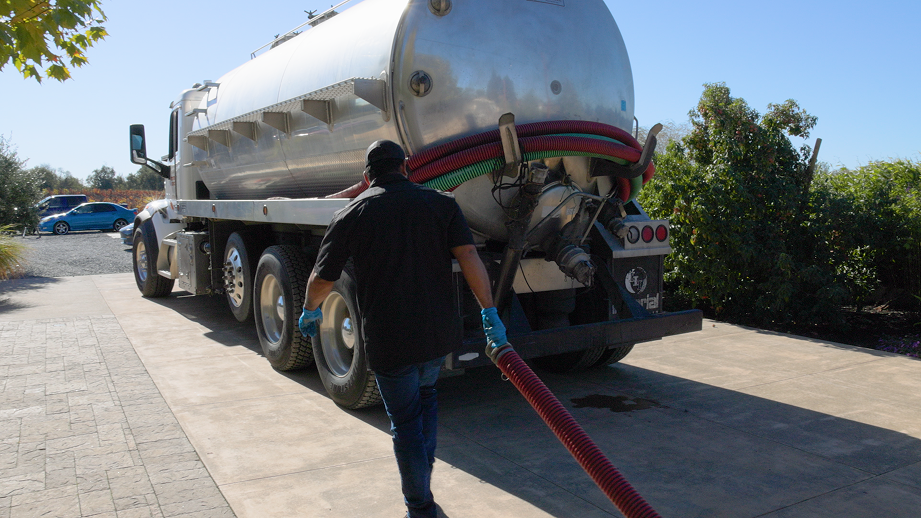
- Waste Volume – Large quantities of FOG and solids require commercial vacuum trucks for proper removal
- Underground Location – Limited access and confined space conditions make professional service necessary
- Environmental Regulations – Proper waste handling and disposal requires licensed transporters and approved facilities
- Safety Requirements – Confined space entry, gas monitoring, and safety equipment exceed typical business capabilities
Attempting interceptor cleaning without professional equipment and training risks worker safety, incomplete cleaning, environmental violations, and system damage that leads to expensive repairs.
Grease Interceptor Cleaning Frequency for San Jose Businesses
Recommended Cleaning Schedules
San Jose health codes and FOG (Fats, Oils, and Grease) regulations establish cleaning frequency requirements based on interceptor capacity and waste accumulation rates. Most commercial interceptors require cleaning when waste levels reach 25% of total capacity.
Grease traps require regular cleaning because:
- High-Volume Kitchens (hotels, large restaurants, casinos) – Monthly or bi-monthly cleaning
- Medium-Volume Kitchens (restaurants, cafeterias) – Quarterly cleaning
- Lower-Volume Facilities (small restaurants, cafes) – Semi-annual cleaning
Factors Affecting Cleaning Frequency
Several factors determine optimal cleaning intervals:
- Kitchen production volume and operating hours
- Types of food preparation and cooking methods
- Grease production rates from specific menu items
- Interceptor size relative to wastewater volume
- Historical accumulation patterns
- Local regulatory requirements
Our technicians assess your facility’s specific needs and recommend cleaning schedules that maintain compliance while controlling costs. Regular monitoring prevents over-capacity conditions that lead to system failures, foul odors, and regulatory violations.
Hydro-Jetting Technology for Superior Interceptor Cleaning
What Is Hydro-Jetting?
Hydro-jetting uses high-pressure water streams (typically 3500 PSI) delivered through specialized nozzles to remove adhered grease, buildup, and debris from interceptor walls, baffles, and pipes. This cleaning method provides superior results compared to pumping alone.
The hydro-jetting process directs pressurized water through rotating nozzles that scour interior surfaces, breaking loose hardened grease deposits and flushing debris into suspension for vacuum removal. This thorough cleaning restores interceptor capacity and efficiency.
Benefits of Hydro-Jetting Service
Professional hydro-jetting provides several advantages:
- Complete Grease Removal – Eliminates hardened deposits that pumping cannot remove
- Baffle Cleaning – Clears baffles and internal components that affect separation efficiency
- Pipe Clearing – Removes buildup from inlet and outlet pipes that restrict flow
- Extended Intervals – More thorough cleaning allows longer periods between services
- System Longevity – Prevents buildup that accelerates corrosion and structural damage
- Performance Restoration – Returns interceptor to optimal operating efficiency
San Jose Grease Trap Cleaning includes hydro-jetting as standard practice for interceptor cleaning, ensuring your system receives complete maintenance that maximizes performance and compliance.
Grease Interceptor Inspection and Maintenance
Component Inspection During Cleaning
Professional interceptor cleaning includes inspection of system components that affect performance and longevity:
- Baffles and Tees – Check for damage, corrosion, or displacement that reduces separation efficiency
- Inlet Pipes – Inspect for blockages, grease buildup, or structural problems
- Outlet Pipes – Verify proper flow and check for restrictions or damage
- Manhole Covers – Examine seals, gaskets, and structural integrity
- Chamber Walls – Assess for corrosion, cracks, or structural deterioration
- Flow Patterns – Observe water movement to identify hydraulic problems
Preventive Maintenance Recommendations
Based on inspection findings, our technicians provide maintenance recommendations:
- Repair or replacement of damaged components
- Schedule adjustments for cleaning frequency
- Operational changes to reduce FOG loading
- Kitchen best practices to minimize grease discharge
- Enzyme or biological treatment options
- System upgrades for improved performance
Proactive maintenance prevents system failures, extends interceptor life, and avoids emergency repairs that disrupt operations and cost significantly more than scheduled maintenance.
Environmental Responsibility and Waste Disposal
Licensed Waste Transportation
San Jose Grease Trap Cleaning operates as a City of San Jose permitted transporter, maintaining all licenses and certifications required for grease waste collection and transportation. Our vacuum trucks meet environmental standards and undergo regular inspections.
Approved Disposal Facilities
All waste removed from grease interceptors receives proper disposal at licensed facilities that process FOG waste according to environmental regulations. We maintain detailed records of waste quantities and disposal locations for regulatory compliance and customer documentation.
Recycling and Resource Recovery
When possible, collected FOG waste undergoes recycling processes:
- Bio-fuel Production – Grease conversion to renewable diesel and biodiesel
- Methane Generation – Anaerobic digestion for biogas production
- Soil Amendment – Composting of organic materials for agricultural use
Waste that cannot be recycled receives safe disposal through approved methods that protect water quality and the environment. Our commitment to environmental responsibility extends beyond regulatory compliance to active support of sustainable waste management practices.
San Jose Grease Interceptor Regulations and Compliance
Local FOG Program Requirements
San Jose operates a Fats, Oils, and Grease (FOG) Control Program that regulates commercial grease interceptors and establishes requirements for:
- Interceptor sizing based on fixture units and kitchen capacity
- Cleaning frequency based on waste accumulation rates
- Service documentation and record retention
- Licensed hauler requirements
- Approved disposal facility usage
- Inspection compliance and reporting
Health Department Standards
San Jose health inspectors review grease interceptor maintenance records during routine inspections. Businesses must demonstrate:
- Regular cleaning by licensed service providers
- Documentation of waste quantities and disposal
- Compliance with cleaning frequency requirements
- Proper system operation and maintenance
- No discharge violations or overflow incidents
San Jose Grease Trap Cleaning provides complete documentation for every service, including detailed records of waste removal, system condition, cleaning procedures, and disposal certification. Our documentation meets all health department requirements and provides protection during inspections.
Common Grease Interceptor Problems and Solutions
System Overflows and Backups
- Problem: Wastewater backs up into kitchen drains or overflows from interceptor manholes
- Causes: Excessive waste accumulation, inadequate cleaning frequency, inlet or outlet blockages, hydraulic overload
- Solutions: Emergency pumping and cleaning, increased cleaning frequency, hydro-jetting of pipes, kitchen practice improvements
Foul Odors
- Problem: Strong unpleasant odors from interceptor manholes or kitchen drains
- Causes: Anaerobic decomposition of accumulated waste, inadequate venting, system over-capacity
- Solutions: Thorough cleaning and hydro-jetting, proper venting installation, regular maintenance scheduling, biological treatment
Reduced Separation Efficiency
- Problem: Grease passing through interceptor to sewer system
- Causes: Damaged or missing baffles, excessive waste accumulation, hydraulic short-circuiting, improper system sizing
- Solutions: Component repair or replacement, increased cleaning frequency, flow pattern correction, system evaluation
Structural Deterioration
- Problem: Cracks, corrosion, or damage to interceptor structure
- Causes: Age, chemical exposure, poor maintenance, environmental conditions
- Solutions: Professional inspection, repair assessment, component replacement, system rehabilitation or replacement
Maintain Your Commercial Kitchen Standards
Cost Factors for Grease Interceptor Cleaning in San Jose
Pricing Considerations
Grease interceptor cleaning costs vary based on several factors:
- Interceptor Size – Larger capacity systems require more time and equipment
- Waste Volume – Greater accumulation increases pumping and disposal costs
- Access Conditions – Difficult access or confined spaces may increase labor
- System Complexity – Multiple chambers and components affect service time
- Service Frequency – Regular maintenance typically costs less per service than emergency cleaning
- Additional Services – Hydro-jetting, repairs, or inspections add to base cleaning cost
Value of Professional Service
Professional interceptor cleaning provides measurable value:
- Compliance Protection – Avoid fines, violations, and potential business closures
- System Longevity – Proper maintenance extends interceptor life and delays replacement costs
- Operational Reliability – Prevent disruptions from system failures or emergency repairs
- Documentation – Complete records protect your business during inspections
- Environmental Protection – Responsible waste handling prevents contamination and liability
San Jose Grease Trap Cleaning offers transparent pricing with detailed estimates that specify all services and costs. We provide flexible scheduling and customized maintenance plans that control costs while maintaining compliance and system performance.
Emergency Grease Interceptor Services
24/7 Emergency Response
Grease interceptor emergencies require immediate professional response to prevent operational shutdowns, health violations, and environmental damage. San Jose Grease Trap Cleaning provides emergency services for:
- System overflows and backups
- Sudden capacity loss
- Severe odor problems
- Pre-inspection emergency cleaning
- Post-violation remediation
Rapid Service Deployment
Our emergency response includes:
- Same-day service availability
- After-hours and weekend response
- Rapid assessment and problem diagnosis
- Immediate pumping and cleaning
- Temporary solutions while scheduling complete service
- Documentation for regulatory reporting
Emergency services cost more than scheduled maintenance due to immediate response requirements and potential after-hours work. Establishing regular maintenance schedules prevents most emergencies and provides predictable costs while maintaining compliance.
Best Practices for Grease Interceptor Management
Kitchen Operational Practices
Reduce FOG discharge to interceptors through improved kitchen practices:
- Scrape food waste from dishes and equipment into trash before washing
- Use sink strainers to capture food solids
- Dispose of cooking oils and grease properly rather than pouring down drains
- Train staff on FOG prevention and proper waste disposal
- Maintain kitchen equipment to prevent grease leaks
- Clean equipment and surfaces before washing to remove grease
Monitoring and Record Keeping
Maintain documentation that supports compliance and operational planning:
- Record all cleaning services with dates, waste quantities, and service provider information
- Document system inspections and any repairs or maintenance
- Track waste accumulation rates to optimize cleaning schedules
- Maintain records of staff training on FOG management
- Keep copies of service provider licenses and certifications
- Retain records for minimum three years per regulatory requirements
Choosing a Grease Interceptor Cleaning Service in San Jose
Service Provider Qualifications
Select interceptor cleaning services based on:
- Valid Licenses – City of San Jose permits and California contractor licenses
- Insurance Coverage – Liability and workers compensation protection
- Equipment Quality – Modern vacuum trucks and hydro-jetting equipment
- Experience – Proven track record with large commercial interceptor systems
- Documentation – Complete service records and compliance reporting
- Environmental Compliance – Approved waste disposal methods and facilities
Service Quality Indicators
Evaluate service providers on:
- Thorough cleaning procedures including hydro-jetting
- Detailed inspection and reporting
- Flexible scheduling that accommodates business operations
- Responsive customer service and emergency availability
- Transparent pricing without hidden fees
- Long-term maintenance planning and consultation
San Jose Grease Trap Cleaning meets all qualification requirements and provides superior service quality backed by years of experience serving Bay Area commercial kitchens. Our commitment to professional standards and customer service has earned trust from restaurants, hotels, and food facilities throughout San Jose.
Professional Grease Interceptor Cleaning Throughout San Jose
Frequently Asked Questions
What is the difference between a grease interceptor and a grease trap?
A grease interceptor is a larger, underground system designed to handle high volumes of wastewater from commercial kitchens. Grease traps are smaller, indoor units typically used for smaller facilities. Interceptors require specialized equipment and professional cleaning due to their size and complexity.
How often should grease interceptors be cleaned in San Jose?
Most grease interceptors should be cleaned when waste reaches 25% of the system’s total capacity. For high-volume kitchens, this may be monthly, while moderate-use facilities often require quarterly service. Our technicians assess your system and recommend a schedule that meets San Jose FOG regulations.
What happens if a grease interceptor is not cleaned regularly?
Neglected interceptors can cause sewage backups, foul odors, slow drains, and health code violations. Overflowing systems can also lead to environmental fines and temporary business shutdowns. Regular cleaning prevents emergency repairs and keeps your kitchen fully operational.
Do you use hydro-jetting for grease interceptor cleaning?
Yes, we use high-pressure hydro-jetting to remove hardened grease, sludge, and debris from interceptor walls, baffles, and pipes. This method provides a deeper clean than pumping alone. It restores system efficiency and helps extend the life of your interceptor.
Is your grease interceptor cleaning service compliant with San Jose regulations?
Absolutely. Our services follow City of San Jose FOG program requirements and California environmental regulations. We provide full documentation to support health department inspections and compliance reviews.
Can you clean large, underground grease interceptors?
Yes, we specialize in large-capacity, underground grease interceptor systems. Our team is equipped with commercial vacuum trucks and advanced cleaning tools to service multi-chamber systems safely and effectively. We handle interceptors for restaurants, hotels, and high-volume food facilities.
How long does grease interceptor cleaning take?
Most services take between 1 to 3 hours, depending on the size of the interceptor and the amount of waste buildup. Larger or heavily neglected systems may take longer. We work efficiently to minimize downtime for your business.
Do you provide emergency grease interceptor cleaning in San Jose?
Yes, we offer same-day and 24/7 emergency cleaning services. This includes emergency response for backups, overflows, and pre-inspection cleanings. Emergency services help prevent operational shutdowns and costly regulatory fines.
How much does grease interceptor cleaning cost in San Jose?
Pricing depends on factors such as interceptor size, waste volume, access conditions, and service frequency. We provide transparent estimates with no hidden fees. San Jose businesses receive detailed quotes within 24 hours.
Will I receive documentation after the cleaning service?
Yes, you will receive complete service records, including waste volume removed, cleaning procedures performed, and disposal documentation. These records are required for health inspections and environmental compliance. We ensure your documentation meets all San Jose reporting standards.